Ambulance triage redirects calls as London boosts hear-and-treat

London’s ambulance crews are handling more incidents without hospital transport, as NHS England’s Ambulance Quality Indicators for 2024–25 show hear-and-treat and see-and-treat pathways together resolving around half of incidents nationally in recent months, a shift designed to keep emergency departments clear for the sickest cases while giving callers same-day advice or on-scene care (source: NHS England AQI monthly returns, April 2024–January 2025).
The pattern has built steadily across the year: call triage and senior clinician hubs expanded in 2023–24, non-conveyance rates stabilised near the 50% mark through 2024, and trusts reported sustained use of phone-back clinical assessment and community referrals into urgent primary and same-day care by early 2025 (source: NHS England AQI time series, 2023–25).
Productivity signals sit alongside safety checks, with AQI data tracking re-contact and re-attendance after non-conveyance and showing broadly stable proportions through 2024–25, while London services use local pathways to route falls, minor injuries and low-risk medical calls into urgent community response or GP same-day hubs rather than automatic conveyance (source: NHS England AQI outcome measures, 2024–25).
Mental health demand is woven through these figures: national datasets and trust audits for 2024 indicate a rising share of 999 calls involving mental health needs, and NHS Benchmarking reports show most acute hospitals now host 24/7 or extended-hours liaison teams in emergency departments, giving crews a route to phone advice, direct referral or planned assessment instead of default transport (sources: NHS Benchmarking Network mental health liaison reports 2023–24; trust-level liaison coverage updates 2024).
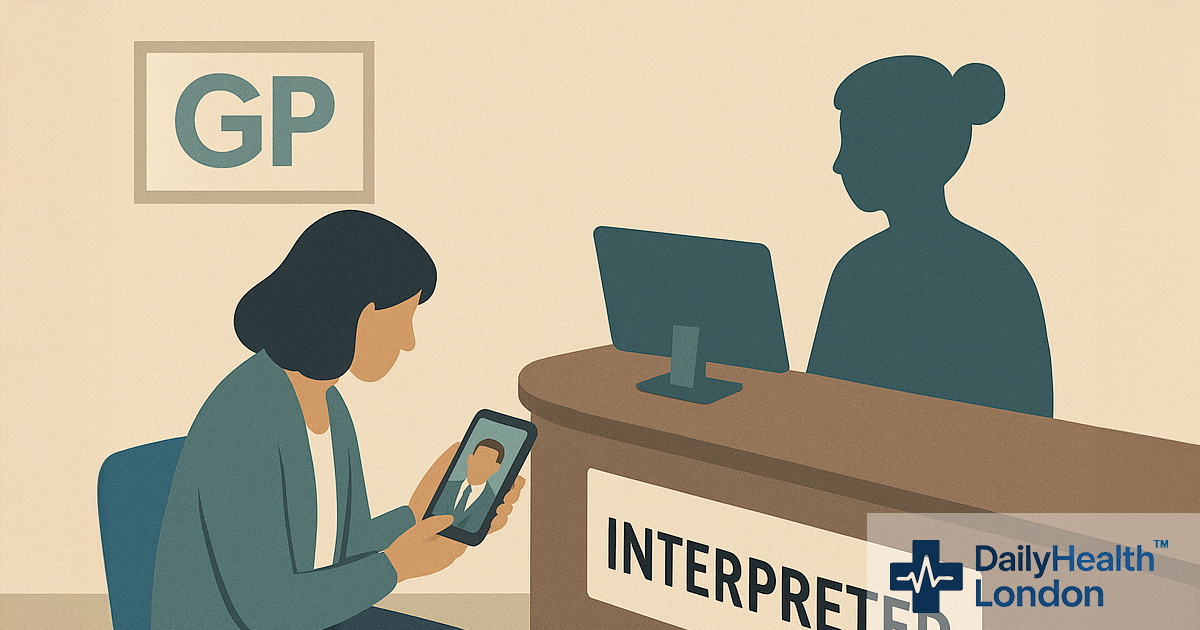
The equity angle is visible in London, where non-conveyance can spare residents in outer boroughs long journeys and return trips, but only if phone assessment is accessible to callers with limited English or poor mobile coverage; trusts therefore flag interpreter access and call-back windows in clinical hubs so that advice reaches people who cannot stay on hold (sources: NHS England AQI commentary 2024–25; local clinical hub operating notes 2024).
Day to day, the change looks ordinary: a clinician calling back to adjust inhaler use rather than dispatching a crew, paramedics dressing a minor wound and booking a same-day follow-up, or a caller receiving a timed referral to a mental health liaison team; managers will watch the 2024–25 AQI series for sustained non-conveyance near 50% with stable re-contact rates as the test of whether redirection is working for Londoners as intended.
-
www.england.nhs.ukhttps://www.england.nhs.uk/statistics/statistical-work-areas/ambulance-quality-indicators/