Mobile health bus brings free checks to Redbridge estates
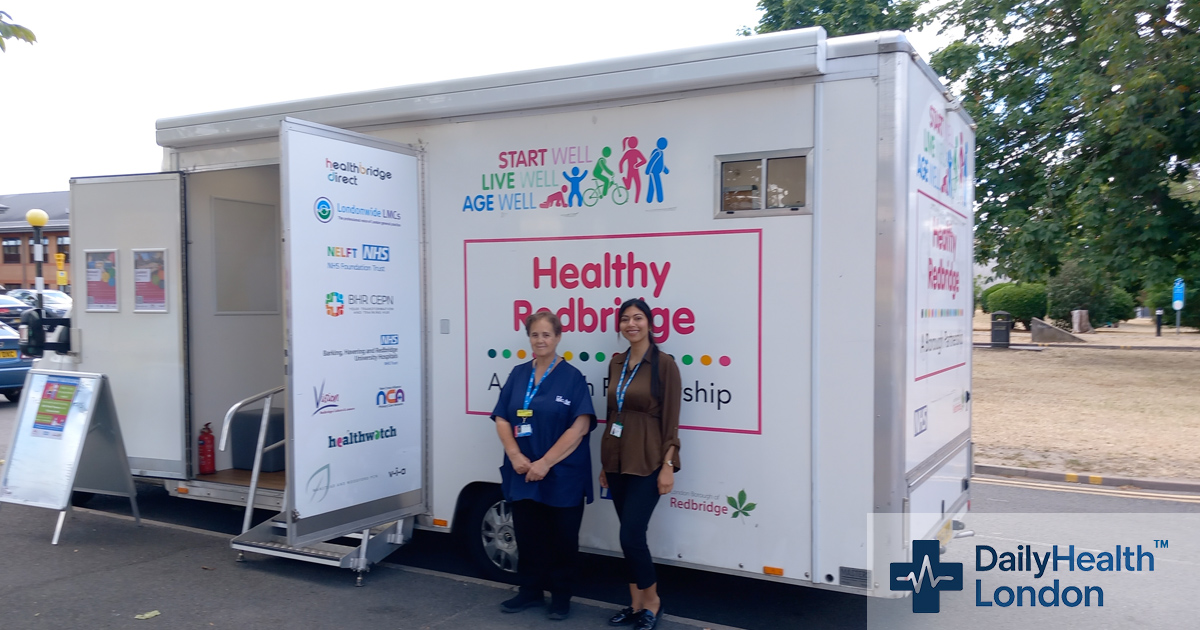
A converted community health bus is reshaping day-to-day access to NHS-style services in the London Borough of Redbridge, where the Healthy Redbridge Bus has moved from a short-term experiment in late 2023 to a funded programme running through to March 2026, taking blood pressure checks, diabetes screening and vaccination clinics directly into streets, car parks and faith sites used by local residents.
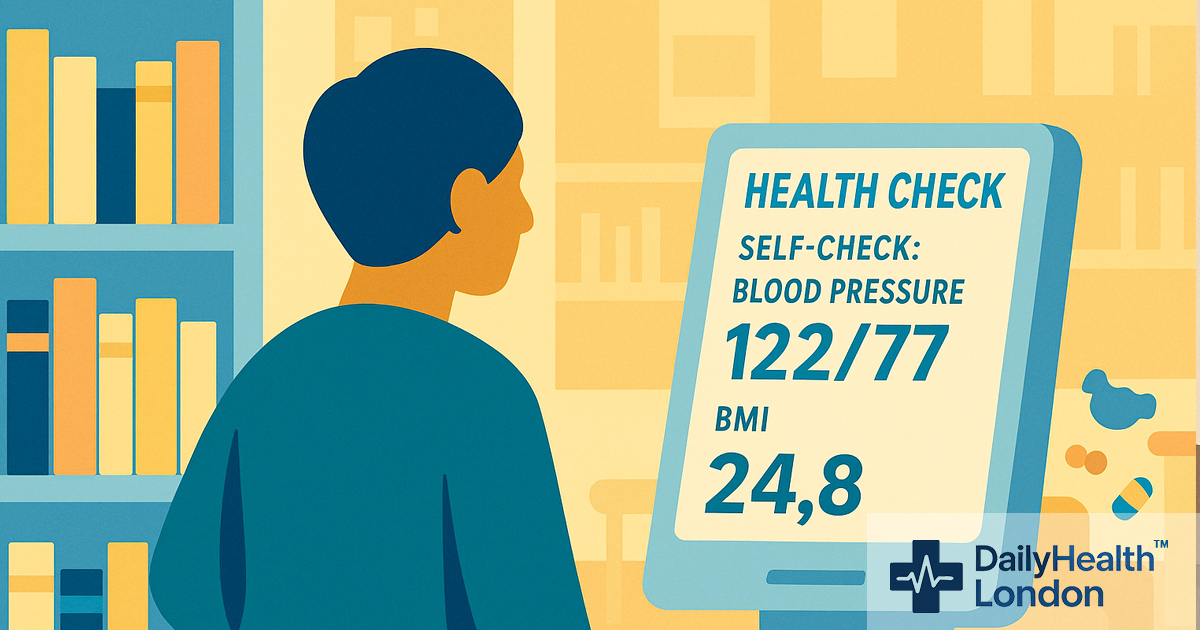
Rather than asking people to navigate online booking systems or wait for free slots at already busy GP surgeries, the bus parks up at high streets, mosque car parks, school gates and hospital forecourts, offering drop-in checks, brief consultations and signposting in the time it takes to pass on the way to work or pick up children. Staffed sessions typically include blood pressure, cholesterol and blood glucose tests alongside lifestyle advice, with clinical areas set up inside the vehicle and a small gazebo outside to handle paperwork and conversations in the open air.
According to a Local Government Association case study published in June 2025, the service was launched in autumn 2023 and ran 65 events in its first year, engaging more than 1,700 residents across the borough as it toured parks, shopping areas and faith centres. That early phase focused on simple, preventative interventions such as health checks and smoking cessation support, building on experience gained when an earlier bus model was used for Covid-19 vaccination outreach during the pandemic.
For Redbridge, the mobile clinic sits squarely inside a wider push to tackle long-standing health gaps linked to income, ethnicity and heart disease. An NHS Confederation article on the borough’s Health Inequalities Improvement Programme, published in July 2024, reported that almost one-third of residents in “Redbridge place” live with cardiovascular disease, and that Black and Asian residents had been around twice as likely to present at hospital emergency departments with cardiovascular problems as their white British neighbours before targeted work began in October 2023. Against that backdrop, bringing blood pressure and cholesterol checks to supermarket car parks and community halls is framed as a practical way to reach people who might not otherwise attend routine reviews.
The day-to-day experience for residents is deliberately low-key. A typical session might see someone step off a bus at Gants Hill or Ilford, notice the van parked alongside market stalls, and be offered a free check taking only a few minutes. No appointment or proof of address is required for most services, and staff can explain results on the spot, advising people when they should follow up with their GP or local pharmacy. For those juggling zero-hours work, unpaid care and long commutes, the ability to combine a quick health check with existing journeys reduces both time and travel costs.
Behind the scenes, the service is a joint operation between the council’s public health team and a mix of NHS and voluntary sector partners. Local GP surgeries use the bus for NHS Health Check-style appointments and promotion of cancer screening, while commissioned providers run clinics for sexual health, substance misuse and smoking cessation. Vaccination teams, including those delivering routine immunisations, also make use of the vehicle, with the council providing logistics, drivers and support with parking restrictions so clinical staff can concentrate on care rather than transport.
As the project has matured, organisers have focused not only on what is offered but on how quickly people move through appointments. The LGA case study describes how early events used separate devices for blood glucose and cholesterol testing, each taking around seven minutes for a result, which created queues and limited the number of people seen in a day. Replacing those with a single machine able to run both tests at once in about three minutes has allowed staff to check more residents in the same session while keeping waiting times short, a practical adjustment that matters in busy street settings where long queues deter passers-by.
The bus is also being more closely woven into mainstream NHS systems. From April 2025, the local urgent care provider, the Partnership of East London Cooperatives, began leading clinical delivery, giving staff on board better access to electronic records and referral pathways. That means information from a blood pressure check outside a community hall can be sent back to a GP practice and added to the patient’s notes, rather than remaining a one-off encounter, and people found to be at high risk of cardiovascular problems can be invited for further follow-up in line with locally agreed guidelines.
Public health documents from Redbridge emphasise that mobile outreach is one strand of a wider strategy to prevent long-term conditions such as hypertension, diabetes and heart disease, and to narrow the gap in healthy life expectancy between the borough’s most and least advantaged neighbourhoods. The Healthy Redbridge Bus supports that ambition by targeting areas with lower uptake of routine checks, using local health champions and community organisations to choose locations where residents already gather and to promote forthcoming visits on social media, at community events and through faith networks.
As 2025 progresses, the bus has become a familiar sight at venues ranging from hospital entrances to civic halls, symbolising an approach that treats health as something that can be checked, discussed and supported in the same spaces where people shop, worship and meet friends. For residents, its impact is measured less in headline programmes than in small, repeated encounters: a quick cholesterol test while children play in a park, a blood pressure reading before Friday prayers, or a smoking cessation conversation on the walk back from the supermarket. For the borough, those moments add up to a practical attempt to bring everyday care to the doorsteps of communities who have too often had to travel furthest to get it.
-
www.local.gov.ukhttps://www.local.gov.uk/case-studies/london-borough-redbridge-how-healthy-bus-taking-health-checks-and-advice-out
-
www.redbridge.gov.ukhttps://www.redbridge.gov.uk/health-and-wellbeing/healthy-redbridge-bus/
-
www.nhsconfed.orghttps://www.nhsconfed.org/articles/health-inequalities-improvement-programme-redbridge-place