Royal London youth volunteering hub welcomes patients daily
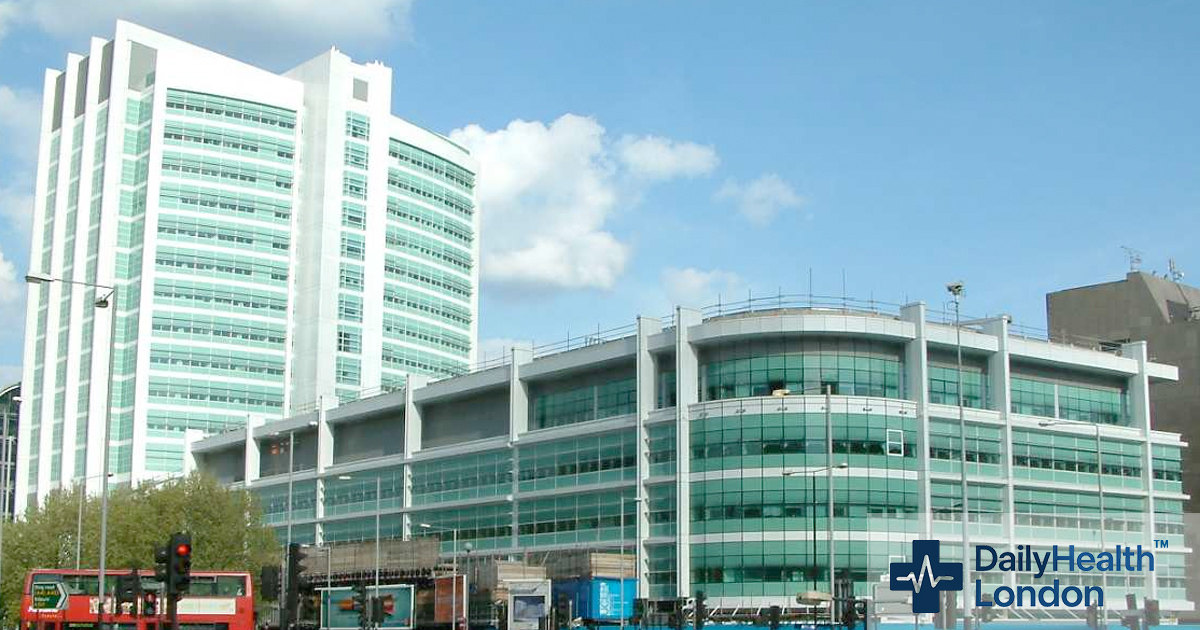
At one of east London’s busiest teaching hospitals, a youth volunteering hub at The Royal London Hospital now brings young volunteers into the heart of day-to-day patient support, changing how people move through the building and how they feel while they wait, after a trust-wide programme launched in 2023 and expanded through 2024–2025.
The Youth Volunteer Programme, run by Barts Health NHS Trust and funded by Barts Charity, was launched with a £50,000 grant in 2023 to create structured six-week placements for people aged 16 to 24 across the trust’s hospitals, including The Royal London. By July 2025, 179 young people had taken part, contributing to ward-based roles, reception support and companionship activities across Barts Health sites, according to Barts Charity’s 2025 impact update on the programme.
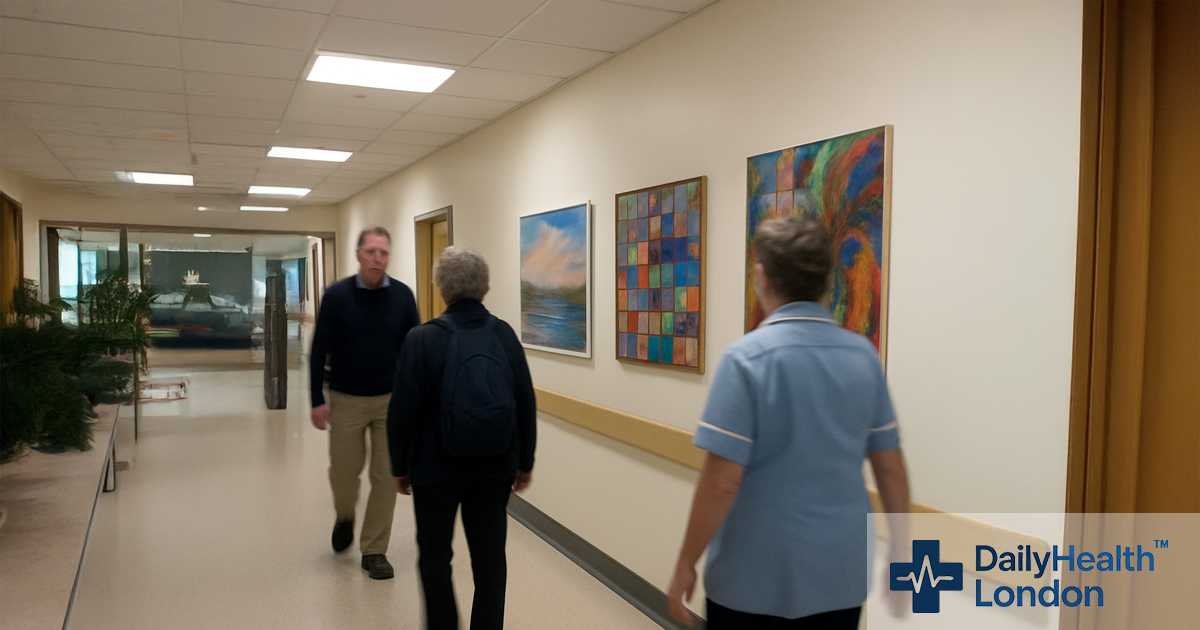
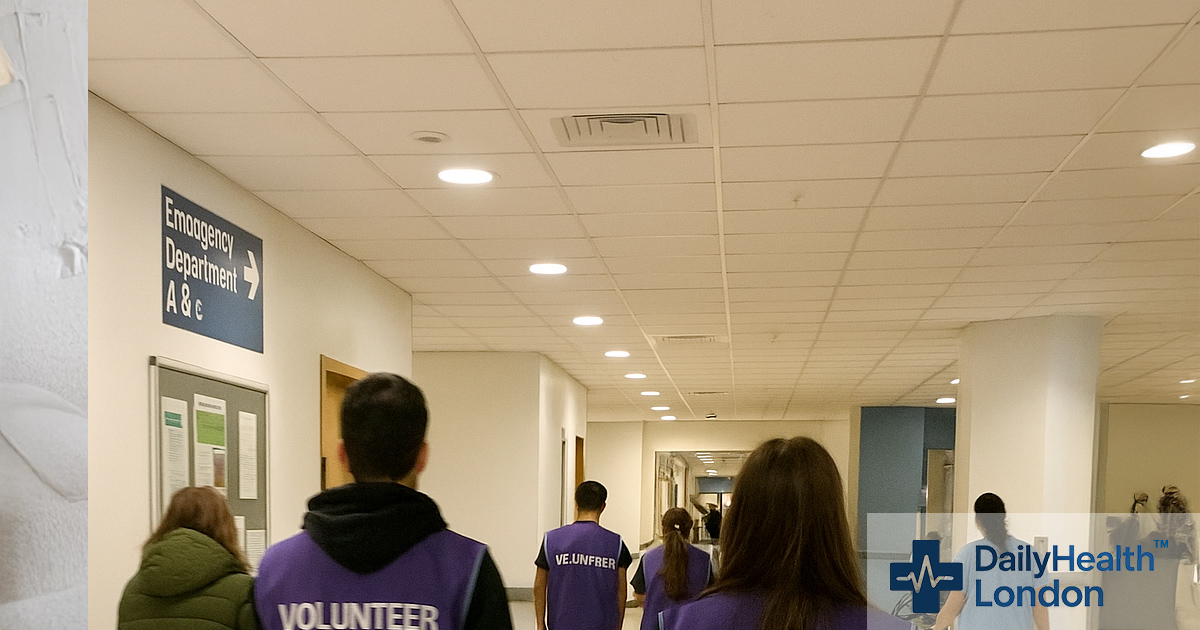
On a typical weekday at The Royal London, the youth volunteer hub supplies a steady flow of volunteers to the busy entrances, lifts and ward corridors, where they guide patients to clinics, help them check appointment letters and stay with people who are anxious about finding their way around the multi-storey site. At this hospital alone, programme volunteers have befriended more than 3,000 patients, delivered over 12,000 sets of medication and supported 200 mealtimes on different wards since the initiative began, according to activity figures shared by Barts Charity for 2023–2025.
The programme is designed around young people’s experience as well as patients’ needs. Barts Charity reports that 100 per cent of participants said the scheme was helpful and 90 per cent felt well supported, based on feedback from the first cohorts, showing that the hub serves as both a structured introduction to hospital work and a bridge into further study or employment. This sits alongside national evidence that volunteering can improve confidence and progression into jobs or training, including findings in a 2024 Helpforce report that almost three in ten NHS and Care Volunteer Responders credited their volunteering with sparking interest in, or helping them secure, NHS roles.
For patients arriving at The Royal London’s concourse, the most visible change is the presence of recognisable meet-and-greet volunteers who are trained to spot when someone is lost, uncertain or struggling with paperwork. A role description published by Simply Volunteer London for meet-and-greet volunteers with Barts Health emphasises that hospitals can be disorientating and that volunteers are expected to help people feel more comfortable from the moment they come through the doors, particularly when they are nervous about appointments or tests.
Behind that front-of-house activity sits a much larger volunteering workforce. Barts Health states that it now has over 1,000 volunteers across its hospitals, including The Royal London, Newham, Mile End, Whipps Cross and St Bartholomew’s, reflecting a long-established culture of volunteering that has been gradually formalised into structured programmes. Earlier trust communications in 2019 highlighted 1,100 volunteers spanning the five hospitals, illustrating how the overall scale has remained high while specific schemes, such as the youth hub, have been added.
The youth hub at The Royal London also sits within a wider shift in how volunteers are used in health services. A 2024 evidence brief on the volunteer workforce, published for NHS England’s Workforce, Training and Education function, notes that well-designed volunteering programmes can enhance satisfaction and wellbeing for both staff and patients, and that there is an explicit commitment to widening participation so that volunteers increasingly reflect the communities served by NHS organisations. The same briefing underlines that national data collection on volunteers is intended to improve equality of access and opportunity across England.
Nationally, the NHS and Care Volunteer Responders programme, evaluated by Helpforce in 2024, illustrates how volunteer time is being woven into everyday support for patients beyond hospital walls. Over a four-year period, the scheme delivered more than 2.6 million activities, supported over 221,000 individuals and drew responses from over 1 million members of the public, according to the Helpforce report. Within those figures, patients whose medicines were taken to their homes were discharged an average of three hours earlier, showing how paired clinical and volunteer roles can change the texture of routine care rather than only being held in reserve for exceptional circumstances.
In the youth hub at The Royal London, everyday tasks are deliberately framed as learning opportunities. Volunteers help to run comfort rounds, escort people between radiology and outpatient clinics, and support ward teams with non-clinical activities such as preparing refreshments or bringing entertainment trolleys to older patients. Barts Charity’s account of the programme describes volunteers assisting with pamper trolleys for elderly patients and being involved in activities like hand massages and nail painting, with these small interactions intended to relieve isolation and make long waits feel less impersonal.
For staff, the hub offers extra pairs of hands in visible but carefully defined roles. The NHS volunteer workforce evidence brief highlights that, when programmes are properly supervised, volunteers can provide psychosocial support that complements clinical care and helps free up time on wards, echoing research findings that structured volunteer teams have the potential to reduce reliance on temporary clinical staff in some settings. While the Royal London youth hub is not a replacement for paid roles, it represents one way of translating that research into routine practice in a large urban hospital, with clear boundaries about what volunteers do and do not undertake.
From an equity perspective, Barts Health positions the youth volunteering work as part of a broader effort to connect local residents with opportunities inside its hospitals. Barts Charity’s 2025 coverage of the programme notes that the first cohorts have included young people who might otherwise struggle to secure experience in healthcare environments, with structured training, booklets to record hours and CV guidance built into the six-week placements. This mirrors wider NHS ambitions to open up pathways into health and care careers for people who live near large hospital sites, not only those who are already in further or higher education.
As the trust looks ahead, Barts Charity reports that Barts Health plans to extend the youth volunteering offer across all its sites and to deepen links with schools and community organisations, while national programmes continue to test new models for involving volunteers in care closer to home. In that context, the youth hub at The Royal London Hospital illustrates how volunteer numbers, measured in hundreds locally and millions of activities nationally, translate into small, repeated interactions that shape how patients experience everyday health services in the capital.
-
www.bartscharity.org.ukhttps://www.bartscharity.org.uk/our-news/empowering-east-londons-young-people-through-volunteering/
-
www.bartshealth.nhs.ukhttps://www.bartshealth.nhs.uk/volunteers
-
www.bartshealth.nhs.ukhttps://www.bartshealth.nhs.uk/news/volunteering-to-help-our-communities-5915
-
storage.googleapis.comhttps://storage.googleapis.com/helpforce/Helpforce_Report_Nov2024_Web_spreads-1.pdf
-
www.ewin.nhs.ukhttps://www.ewin.nhs.uk/sites/default/files/Volunteer%20workforce_Evidence%20Brief.pdf
-
simplyvolunteerlondon.ukhttps://simplyvolunteerlondon.uk/role/3801/33/tower-hamlets/meet-and-greet-volunteer