Wellbeing hubs host quiet spaces for Barts hospital staff
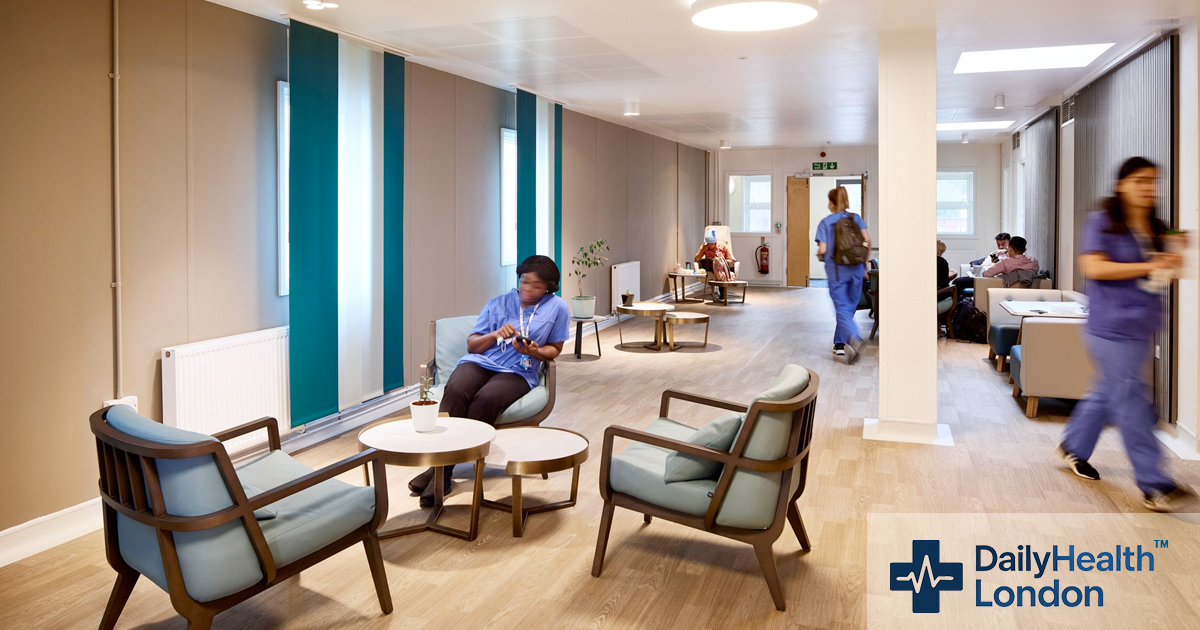
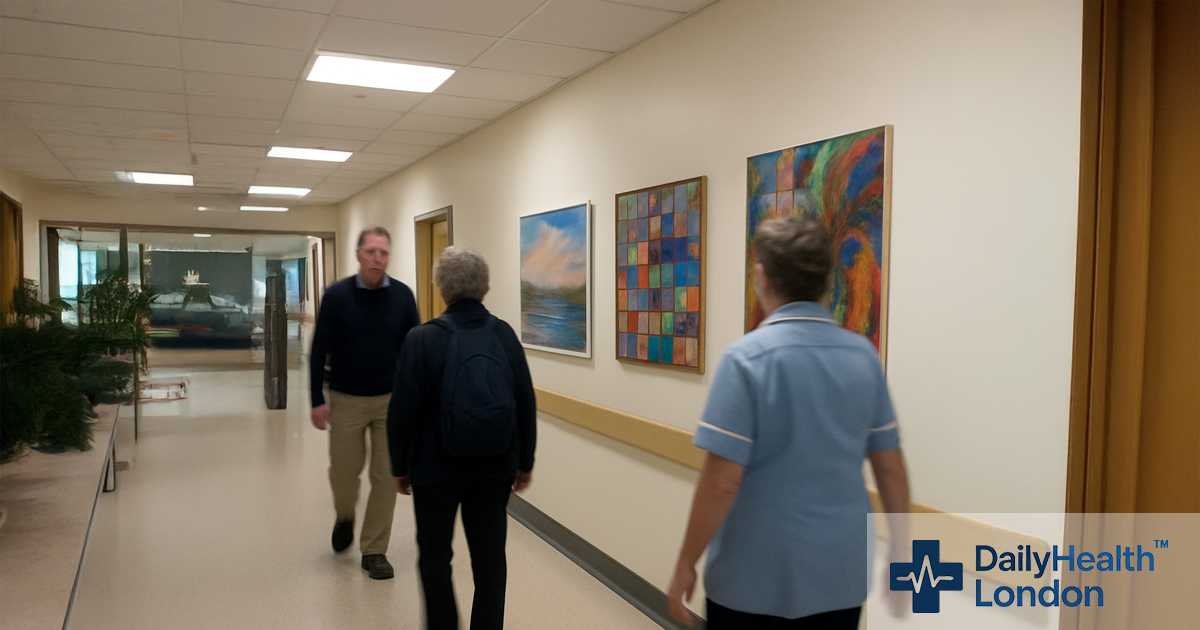
Across east London’s Barts Health NHS Trust hospitals, staff are now building regular pauses into daily shifts in a network of dedicated wellbeing hubs, using them as quiet, screen-free spaces to decompress between busy ward rounds, outpatient clinics and support roles. Open to all grades and job families, the hubs sit just off main corridors at Newham, Whipps Cross, Mile End, St Bartholomew’s and The Royal London hospitals and have steadily shifted from being a pandemic-era innovation to a routine part of how thousands of people get through long days at work.
The permanent hubs were created over 2021 and 2022 after temporary rest areas set up during the first wave of Covid-19 proved popular, so that by late 2022 all five hospitals in the Barts Health group had a staffed wellbeing space funded through almost £1 million of charitable support for a workforce of more than 24,000 people, according to Barts Health and partner updates published between February and December 2022. The focus has since moved from opening ribbon-cutting events to the everyday question of who can reach these rooms, how often, and what difference a short break actually makes by the time staff go home.
Inside Newham Hospital’s hub, described in trust news reports as “a dedicated haven” for colleagues, the offer is intentionally simple: soft seating instead of plastic chairs, hot drinks, small fridges for food, subdued lighting and side rooms where staff can close the door for a brief period of privacy away from patient areas. Just outside, the adjacent Globe Garden is being reworked as a staff-only courtyard, adding outdoor space to the mix so that breaks do not always mean remaining inside the main hospital building. On busy medical, surgical and maternity floors, staff can swipe in, sit down and reset before returning to clinical tasks.
At Whipps Cross Hospital and other sites, decisions to keep the hubs permanent were shaped by staff feedback: Barts Health figures show that 98 per cent of staff surveyed at Whipps Cross wanted a lasting support space, and the trust has since highlighted uses ranging from quiet reflection after difficult conversations to group yoga, low-key social events and informal peer support. According to Barts Charity, which leads fundraising for these projects, the hubs form one strand of a wider £4.5 million wellbeing package that also includes psychological support and improved changing facilities, so that physical surroundings line up more closely with expectations on safe, compassionate care.
The psychological support service is now closely tied into hub activity. A 2022 Barts Charity update reported that more than 6,500 staff had accessed the Team Barts Health Psychological Support Service, which provides a dedicated clinical psychologist for each of the five hospitals and routinely uses private rooms inside the hubs for one-to-one and group sessions. In staff surveys run by the service, 98 per cent of respondents said they felt supported and 97 per cent said they would recommend it to colleagues, suggesting that the quiet rooms are doing more than offering coffee and comfortable sofas: they are hosting structured conversations designed to help staff process trauma, low mood and complex grief connected with their roles.
National data underline why these local spaces matter. The 2024 NHS Staff Survey found that just over 41.6 per cent of staff in England reported feeling unwell as a result of work-related stress in the previous 12 months, and 55.8 per cent said they had gone into work in the last three months despite not feeling well enough to perform their duties, according to the national briefing published in March 2025. In April 2025, the Health Services Safety Investigation Body reported that fatigue poses a “significant” risk to patient safety, drawing a direct line between missed rest, decision-making under pressure and avoidable harm. Against that backdrop, apparently modest facilities for sleep, food and reflection take on wider significance.
For staff at Barts Health, the hubs sit alongside other practical measures rather than replacing them: rotas, staffing levels and line management still shape how easy it is for a nurse, porter, healthcare assistant or administrator to step away from tasks. Yet the trust’s wellbeing material emphasises that hubs are intended for everyone, including contractors, and are explicitly non-clinical spaces where laptops and paperwork are discouraged. The aim is to create a contrast with nearby offices and ward rooms, so that even a ten-minute visit feels different from grabbing a drink at a crowded desk. Over time, occupational health teams and local managers are watching how often people attend, how long they stay and which shifts find it hardest to make use of the rooms.
As the hubs become part of the background of everyday hospital life, the question for Barts Health and similar trusts is less about whether such spaces should exist and more about whether they are reaching the staff whose work patterns, commuting routes or caring responsibilities make breaks hardest to take. National analyses of staff experience have highlighted younger employees and some ethnic minority groups as facing higher levels of stress and dissatisfaction, and Barts’ own data show that uptake of psychological support and wellbeing activities varies by site and service. In that context, the trust’s network of hubs offers one concrete, visible intervention: a set of doors that open onto calm, shared rooms where exhausted people can pause, collect themselves and return to the wards better able to look after patients.
-
www.bartshealth.nhs.ukhttps://www.bartshealth.nhs.uk/news/staff-wellbeing-hubs-at-barts-health-hospitals-win-award-14482
-
www.bartscharity.org.ukhttps://www.bartscharity.org.uk/our-news/new-psychological-support-service-has-seen-over-6500-nhs-staff/
-
www.nhsstaffsurveys.comhttps://www.nhsstaffsurveys.com/static/c1a573e95b1a49428676ef4b24f5efe7/National-Results-Briefing-2024.pdf
-
www.hssib.org.ukhttps://www.hssib.org.uk/patient-safety-investigations/the-impact-of-staff-fatigue-on-patient-safety/investigation-report/