Wood Green diagnostic hub extends high-street scan access
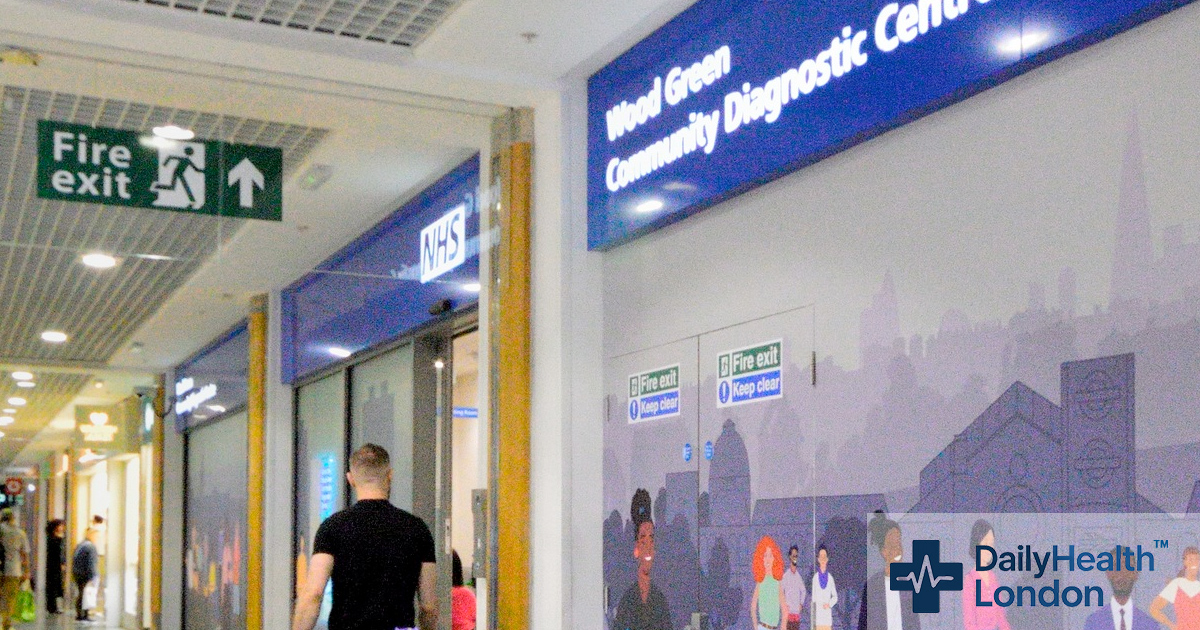
On a busy north London high street, the Wood Green Community Diagnostic Centre inside The Mall now anchors a growing shift in how residents book scans and tests, as from mid-2025 more evening and weekend appointments are added in step with a national expansion of community diagnostic centres offering longer opening hours in locations closer to people’s everyday routines.
The hub, hosted by the Royal Free London NHS Foundation Trust, brings blood tests, X-rays, ultrasound, eye clinics, MRI and CT scans together in a single site that patients reach by GP or hospital referral rather than travelling to a large acute hospital. Set on the lower floors of a shopping centre, it has been steadily upgraded since it opened, including a recent redesign that introduced a new level for MRI and CT scanners so that people living in and around Wood Green can attend advanced imaging on the same site as more routine checks.
For patients, the most visible difference is the way diagnostic care is threaded into ordinary journeys. A person might travel to the Mall for work, shopping or childcare and step into the centre for a blood test or scan before or after their shift, rather than booking time off to reach a hospital on the edge of the city. Appointment letters now routinely offer early-morning, evening and weekend slots, reflecting national moves to make more community diagnostic centres operate twelve hours a day, seven days a week so that people who work irregular hours can still attend in person.
Across the capital, the Wood Green site is one of fourteen community diagnostic centres now open, with half of them providing extended 12-hours-a-day, seven-days-a-week care according to NHS London figures published in August 2025. That same update reports that nearly two million tests, checks and scans have been carried out in London’s centres over the past four years, and that more capacity is planned as new centres are prepared at locations including Mile End and New Addington by the end of 2025.
Behind the London programme sits a national initiative that has reshaped diagnostics in England over the past few years. NHS England’s community diagnostic centre programme reports that 170 permanent sites have been approved, with 169 operational in settings ranging from shopping centres and university campuses to football stadiums as of April 2025. These centres are designed to shift a significant proportion of imaging, heart and lung tests, blood sampling and some cancer diagnostics away from traditional outpatient departments into community locations that can see patients more quickly.
Local experience suggests that this change is more than a branding exercise. At Finchley Memorial Hospital in north London, the community diagnostic centre has delivered more than 450,000 diagnostic tests for residents since it opened, according to a partnership update issued in October 2025. The centre serves multiple boroughs through a mix of ultrasound, MRI, CT, cardiology and respiratory investigations, illustrating the kind of volume that can be handled when diagnostic services are concentrated in a community setting rather than scattered across hospital departments.
Evidence from Wood Green also highlights the equity dimension of the new model. An analysis of community diagnostic centres published in 2024 reported that only about 9 per cent of patients referred through the North Central London integrated care system waited longer than six weeks for a diagnostic test at a time when the national figure stood at around 21 per cent, and that an estimated 77 per cent of tests carried out at the Wood Green site were for residents from the most deprived groups locally. For people who might otherwise face long journeys or complex trips across the city, a high-street clinic with extended hours can significantly reduce the practical barriers to attending.
The availability of longer opening times is also linked to broader plans for out-of-hours care. A government update in August 2025 confirmed that 100 of the 170 community diagnostic centres across England now provide services twelve hours a day, seven days a week, up from 63 centres a year earlier, and that more than 1.6 million additional tests were delivered between July 2024 and June 2025 as a result. In London, this national shift is reflected in appointment letters that offer later scanning slots and weekend phlebotomy clinics, which are particularly useful for people working multiple jobs or caring for family members during standard office hours.
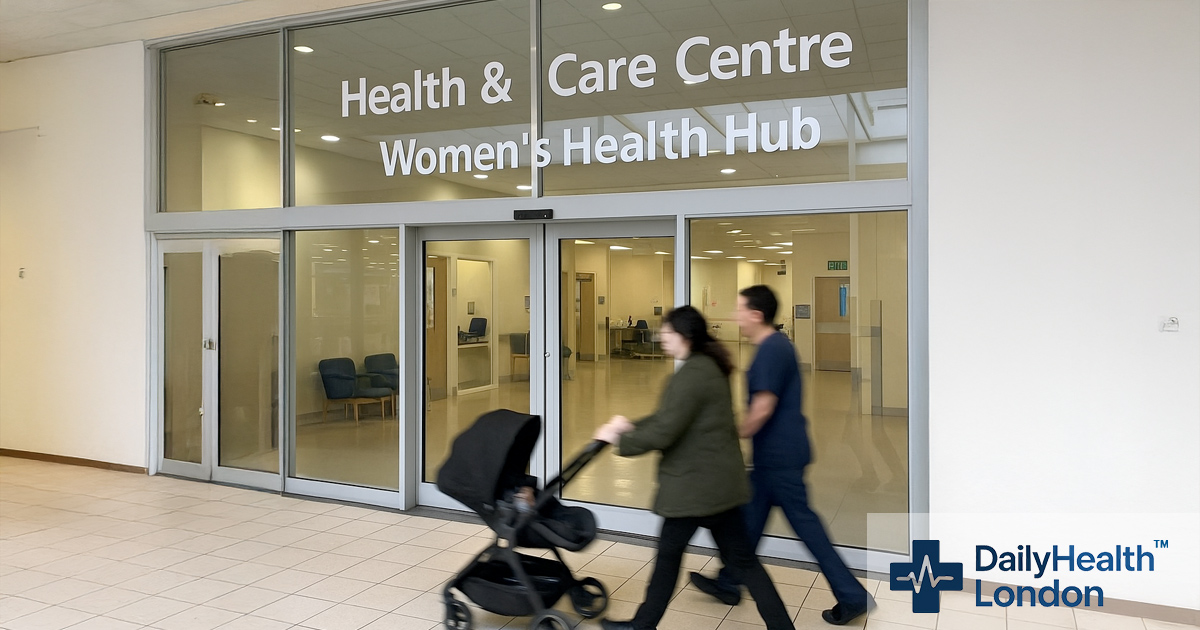
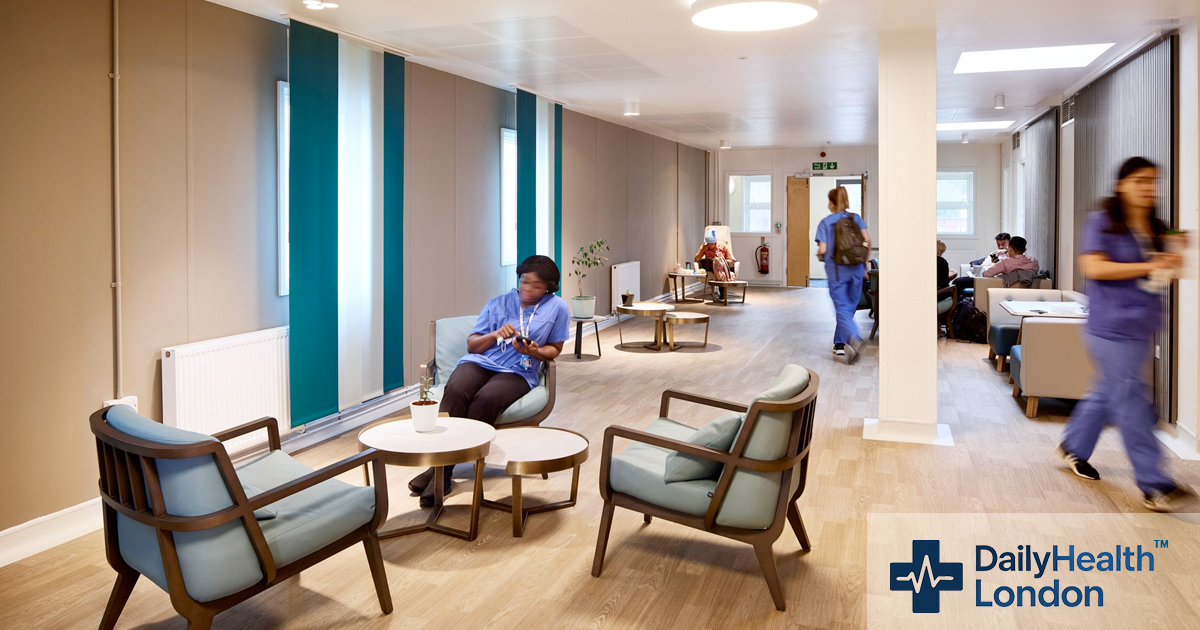
From the perspective of everyday experience, the Wood Green centre shows how diagnostics can be woven into a familiar environment. Patients arrive through the same shopping-centre entrances as other visitors, follow coloured lines and signs instead of hospital corridors, and wait in seating areas that share space with retail units rather than wards. Staff report that many first-time visitors mention the shorter travel time, and that some patients combine their scan or blood test with errands such as food shopping, banking or meeting relatives, making the health appointment one element of a wider day rather than a stand-alone trip.
At system level, the expansion of high-street diagnostics is seen as part of a prevention agenda as much as a response to backlogs. Analyses by national and regional bodies note that community diagnostic centres are now delivering millions of tests a year and are expected to increase that total substantially in the next 12 months, with particular focus on heart, lung and cancer investigations. The hope is that earlier detection through easier access to scans and checks will translate into shorter waits for treatment and better outcomes, especially in areas where late diagnosis has previously contributed to poorer survival and heavier use of emergency services.
As 2025 draws to a close, London’s network of community diagnostic centres continues to evolve, with new sites opening and existing hubs adding modalities such as MRI and CT or expanding capacity for ultrasound and blood tests. For those using Wood Green Community Diagnostic Centre, the changes are felt mainly in appointment times, travel routes and waiting-room routines rather than in policy documents. Yet the centre’s high-street location, its mix of tests and its emerging record on waiting times and access for deprived groups mean it has become a key test case for how diagnostic services can be brought closer to the daily lives of people living and working in the capital.
Tags
-
www.england.nhs.ukhttps://www.england.nhs.uk/london/2025/08/19/half-of-london-community-diagnostic-centres-now-offer-12-7-care/
-
www.england.nhs.ukhttps://www.england.nhs.uk/long-read/community-diagnostic-centres/
-
www.gov.ukhttps://www.gov.uk/government/news/thousands-more-checks-tests-and-scans-available-out-of-hours
-
www.theguardian.comhttps://www.theguardian.com/society/article/2024/aug/28/nhs-community-diagnostic-centres-speeding-up-access-to-tests-survey-finds
-
www.royalfree.nhs.ukhttps://www.royalfree.nhs.uk/services/community-diagnostic-centre
-
communityhealthpartnerships.co.ukhttps://communityhealthpartnerships.co.uk/news/nearly-half-a-million-diagnostic-tests-delivered-at-finchley-memorial-hospital-community-diagnostic-centre/