Southwark health kiosks expand free self-checks in libraries
In Southwark, a network of digital health kiosks in libraries and leisure centres is about to double in size after the council awarded a new three-year contract in December 2024, extending free self-service checks for residents from six fixed machines to as many as twelve from February 2025 to March 2028 and adding more languages and locations such as community and faith venues.
The Health Kiosk Programme, run by Southwark Council in partnership with SiSU Wellness, offers residents a chance to measure blood pressure, weight, body mass index and other “Vital 5” indicators linked to longer-term illness without needing a GP appointment. According to the council’s Health Kiosk Programme contract award notice, more than 16,900 people used the kiosks between July 2021 and May 2024 to better understand their health, with data showing particular success in reaching men, people from Black, Asian and minority ethnic backgrounds and residents in the most deprived fifth of neighbourhoods.
Behind the decision to recommission the kiosks is a stark picture of local need. Southwark’s Joint Strategic Needs Assessment for 2024 estimates that over 111,000 patients registered with borough GPs live with at least one long-term condition, and more than 32,000 have three or more, with hypertension, depression and obesity among the most common diagnoses. The same report highlights that patients from Black ethnic backgrounds are over-represented among those with multiple long-term conditions, underlining why the council has framed the kiosk programme as a tool for tackling health inequalities rather than a purely technological project.
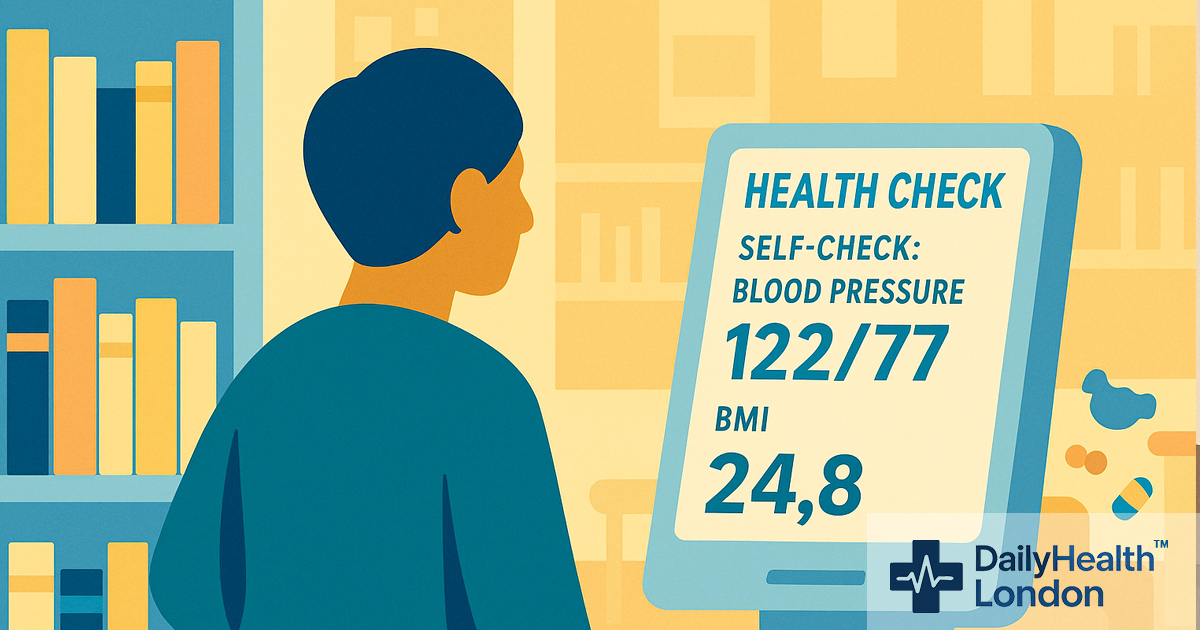
On a weekday morning, the kiosks sit quietly near book stacks or reception desks, alongside posters for exercise classes and housing advice. A resident can step up to a machine between other errands, follow on-screen instructions to measure blood pressure and BMI, answer questions about smoking and alcohol, and receive an instant printout or digital summary. Southwark’s healthy ageing guide for residents aged fifty and over notes that these self-service kiosks, and related roadshows, provide free checks on mental health as well as physical measures, and signpost people to council-run lifestyle services such as the Healthy Lifestyle Hub and local stop smoking support.
The recommissioned programme goes beyond maintaining the current offer. Southwark’s contract notice states that the number of fixed kiosks will be expanded from six to up to twelve, with new machines placed not only in libraries and leisure centres but also in supermarkets, shopping centres and community or faith settings. A portable kiosk will be piloted through the borough’s health outreach service, allowing checks to be taken to smaller venues and events rather than only relying on fixed sites. This approach is intended to meet residents in the places they already visit, including people who may rarely attend a GP surgery unless they are unwell.
Language and communication are central to the next phase. The contract confirms that kiosk interfaces will be updated with Spanish, Portuguese, Bengali and Chinese language options to improve accessibility, alongside changes to wording and thresholds in the user journey so that messages align with local Vital 5 checks and national NHS guidance. Clearer explanations about data sharing and age criteria will also be built into the screens, reflecting feedback that some users wanted more reassurance about how their information was being used and who could see their results.
At the heart of the model is the technology underpinning the kiosks. Health Innovation Network case study material on SiSU Health explains that each kiosk combines a medical-grade device with a digital interface to carry out blood pressure and BMI measurements, cardiovascular and diabetes risk assessments and lifestyle questions covering stress, smoking, alcohol and physical activity. Users receive immediate feedback on screen and can opt to have a summary emailed or linked to a portal, including signposting to local services or, for higher-risk results, advice to contact primary care. Evaluation data cited in that case study report that around 70 per cent of users say the check prompted lifestyle changes, while more than one in five repeat users reduced blood pressure to a healthy level and 17 per cent quit smoking.
For Southwark, the kiosks sit alongside more traditional health checks rather than replacing them. The council’s healthy ageing directory lists the kiosks and roadshows as one route for residents to monitor blood pressure, weight and mental wellbeing, while also pointing to the national NHS Health Check for adults aged forty to seventy-four, cancer screening programmes and specialist services for people at higher risk of particular conditions. The borough’s tender documentation stresses that kiosks complement, rather than duplicate, the NHS Health Check and Southwark’s own outreach service, which use targeted invitations and clinical staff to reach residents who may not use self-service equipment.
From an equity perspective, the programme is explicitly described as a way to reach groups who may not respond to letters or text messages from GP practices. The evaluation cited in the contract award notice found that kiosks increased uptake of health checks among men, Black, Asian and minority ethnic communities and residents in “Core20” areas, the national term for the most deprived twenty per cent of the population. By placing machines in everyday locations such as libraries, leisure centres and shops, the council aims to reduce the need for people to travel specifically for a health check, which can be difficult for those juggling caring responsibilities, variable work patterns or concerns about transport costs.
The new practitioner portal planned for the next contract period is intended to connect the kiosks more closely with wider lifestyle support. According to the contract documents, this portal will allow authorised staff to receive direct referrals from kiosk users into the Southwark Healthy Lifestyle Hub, where residents can access structured weight management, physical activity, smoking cessation and alcohol support. The portal is also expected to make it easier to track how many kiosk users go on to receive further help and whether their health indicators change over time, giving public health teams more insight into which communities are being reached.
As the expanded network rolls out from February 2025, the Southwark model will add to a growing number of examples of “health on the high street”, where services traditionally associated with clinics or hospitals appear in everyday civic and retail spaces. For local residents, the change will be felt less in headlines than in small decisions: choosing to step onto a kiosk after returning library books, checking blood pressure while visiting a leisure centre, or repeating a measurement every few months to see whether lifestyle adjustments are making a difference. In a borough where long-term conditions are common and unevenly distributed, the success of the programme will hinge on whether those repeated, self-directed interactions help shift health risks earlier and more fairly across the population.
-
www.find-tender.service.gov.ukhttps://www.find-tender.service.gov.uk/Notice/041021-2024
-
www.southwark.gov.ukhttps://www.southwark.gov.uk/sites/default/files/2024-12/Healthy%20Ageing%20-%20Guide%20to%20Support%20in%20Southwark%20November%202024.pdf
-
thehealthinnovationnetwork.co.ukhttps://thehealthinnovationnetwork.co.uk/archive/meet-the-innovator-jez-ellerd-styles-sisu-health-uk/