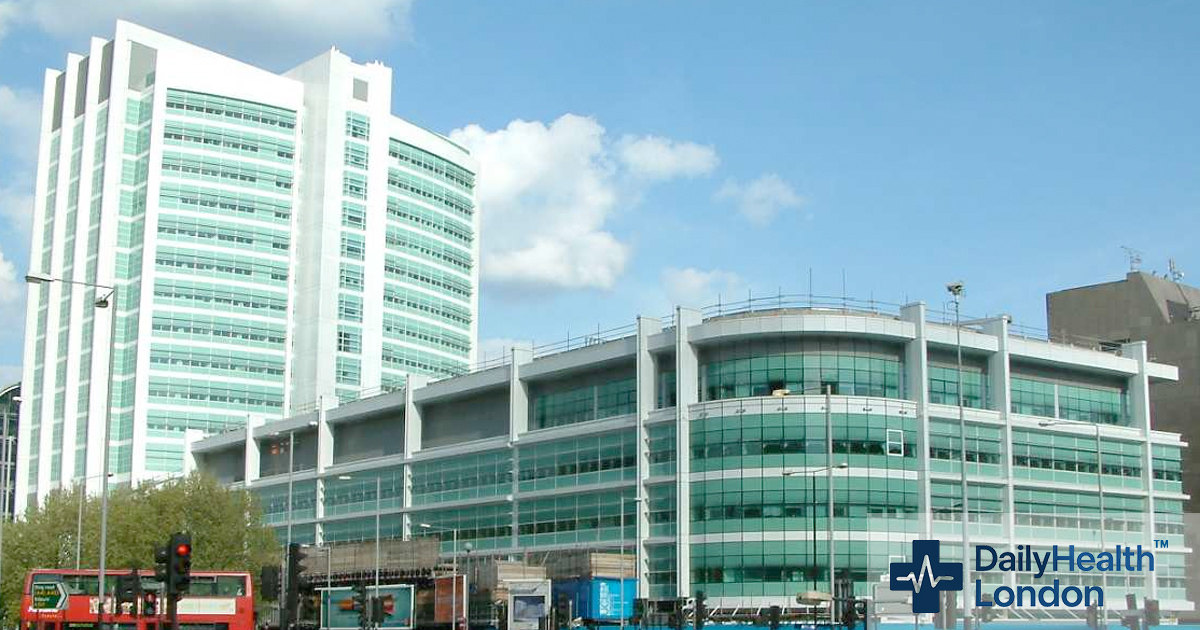
Ilford health hub opens one-stop centre for local women
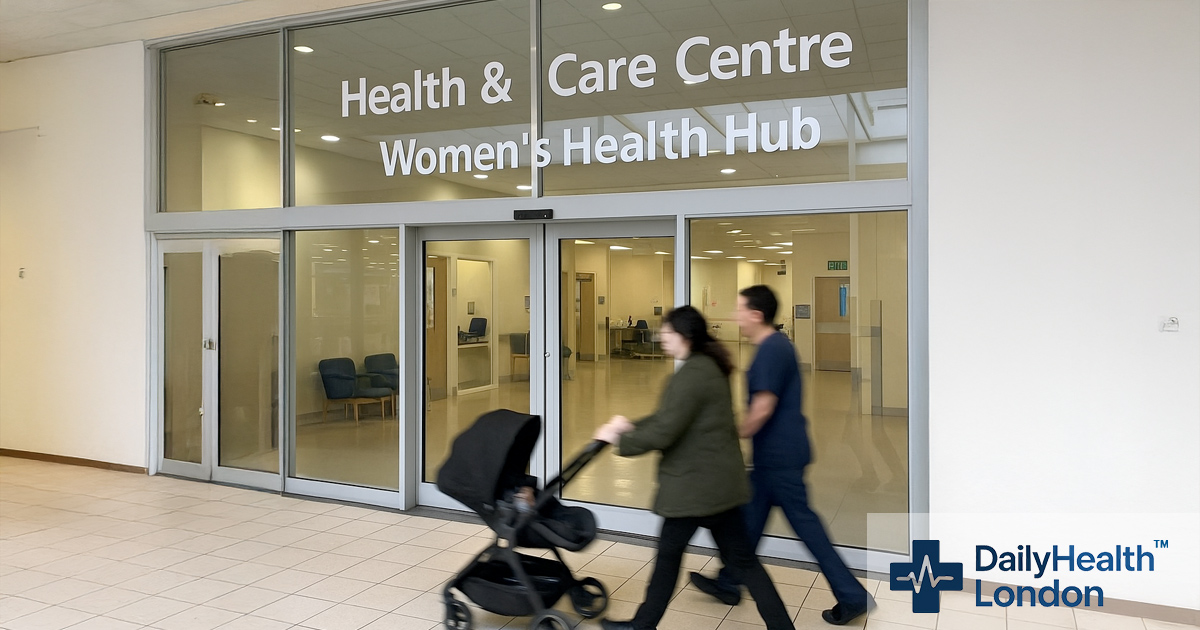
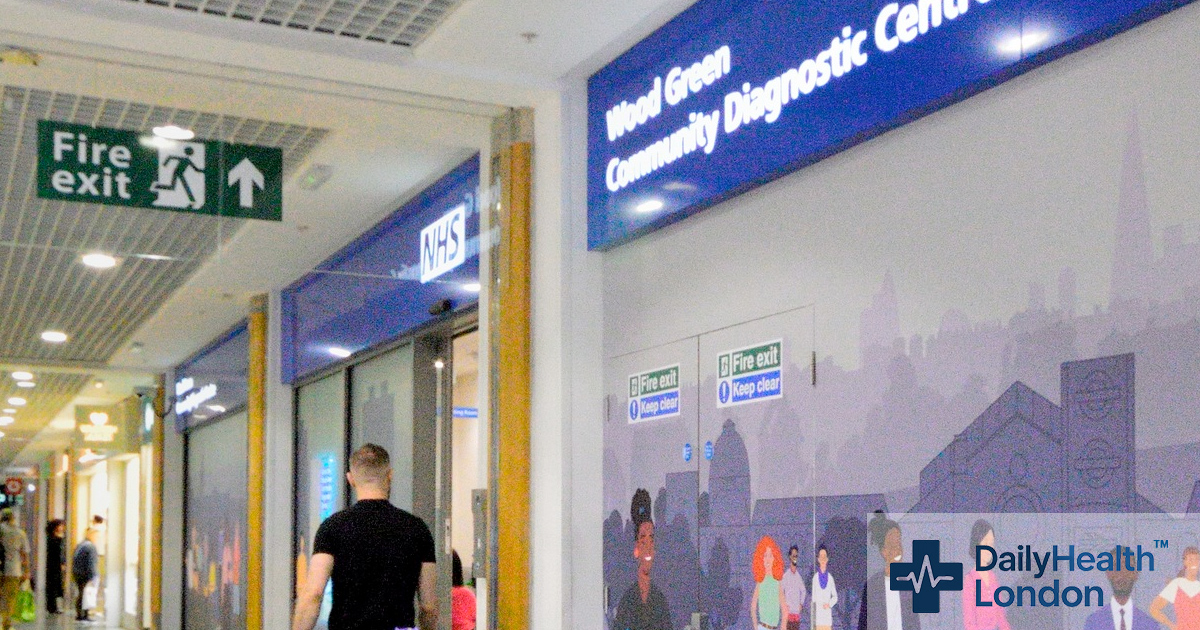
In the middle of Ilford’s shopping district, a new health and care centre is changing how local residents move between everyday errands and medical appointments, as Ilford Exchange Health Centre brings GP services, diagnostics, social care and a dedicated women’s health hub together on two floors of the town’s main mall from mid-2024 onwards.
The building has been designed as a one-stop site where people can move from blood tests to podiatry, long-term condition reviews, mental health support or children’s services without crossing town, with clinics arranged along wide corridors that sit a short lift ride away from supermarket queues and bus stops. For women who might previously have travelled to hospital for gynaecology or menopause care, the women’s health hub inside the centre offers another route: a planned appointment in a familiar retail setting, often combined with shopping, work or family commitments.
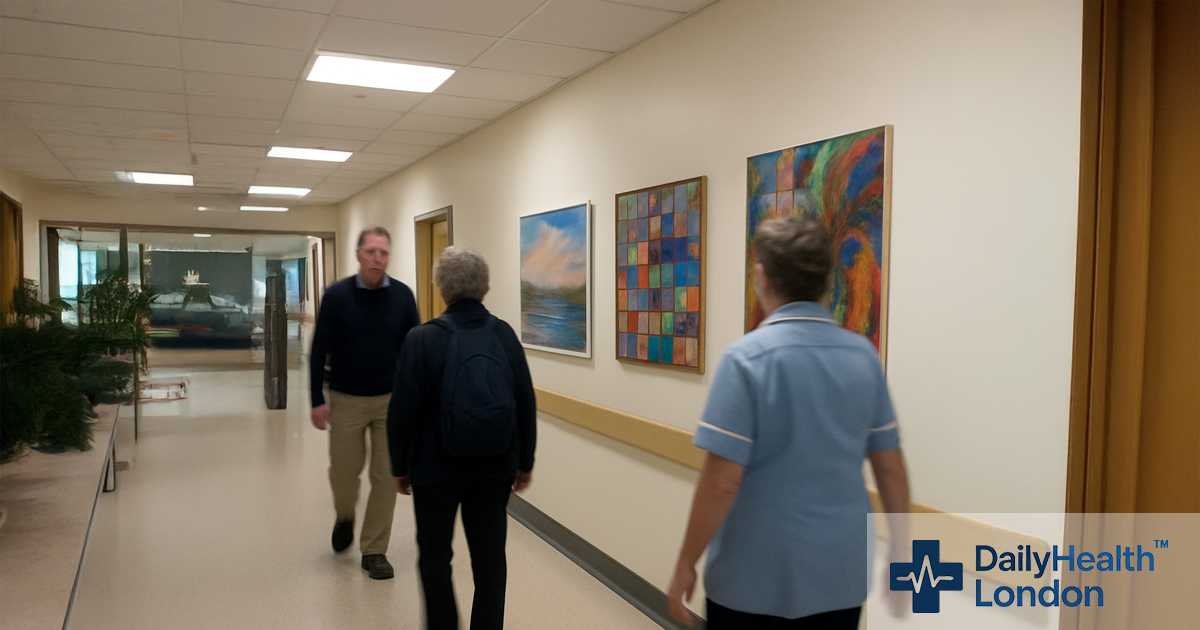
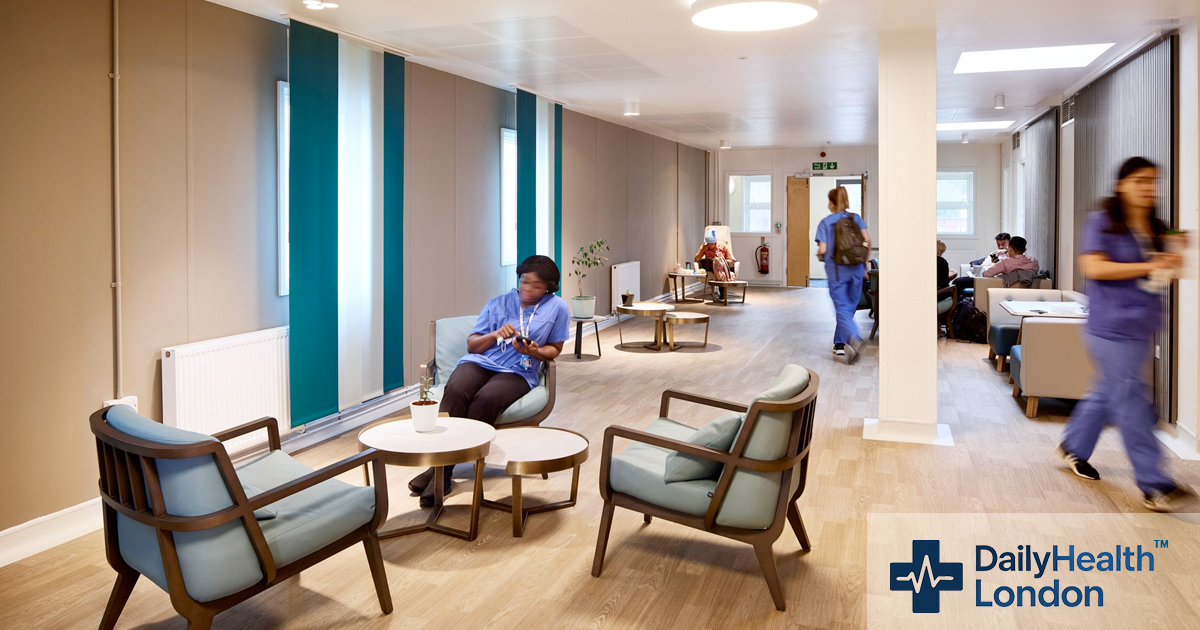
Behind the glass entrance, the scale of the investment becomes clearer. Health partners describe the site as providing badly needed extra capacity for primary care and community services in a borough where population growth, housing density and economic pressures all shape how people use the NHS. Consultation rooms, treatment spaces and waiting areas are clustered across the ground and lower-ground levels to minimise stairs and long walks, and buggy parking, lift access and blue-badge spaces are built into the design so that parents with small children, wheelchair users and people with limited mobility can move through the building without facing steep ramps or narrow corridors.
The road to opening has been unusually participatory for a health facility of this size. According to Barking, Havering and Redbridge University Hospitals NHS Trust, nearly 1,000 residents took part in a public consultation on the Ilford centre in 2022, with the large majority backing the one-stop model and feeding into decisions about which services should share the building and how people would move between them during a typical visit. That engagement also informed the final choice of name after a public vote, reinforcing the message that the hub is meant to be a shared civic space rather than a remote specialist unit.
Detailed papers presented to councillors in 2024 describe how the finished centre offers 25 consultation rooms, all on the ground or lower-ground floors, alongside disabled parking, buggy bays and bike rails just outside the doors. The same report notes that gynaecology accounts for the single largest waiting list in north east London, with around 22,000 women waiting for care, making it one of the clearest examples of how a new community site could be used to relieve pressure while improving access for groups who might otherwise wait longer than they should.
The women’s health hub embedded in Ilford Exchange Health Centre is a direct response to those pressures. Hosted by Barking, Havering and Redbridge University Hospitals NHS Trust in partnership with NHS North East London, it offers clinics for heavy or irregular bleeding, pelvic pain, menopause symptoms and contraception, drawing referrals from GP practices across the patch. Instead of attending multiple appointments at different locations, many women can now see a specialist team in one place, often with imaging, blood tests or other investigations available elsewhere in the same building on the same day.
National policy has helped shape this direction. NHS England’s guidance on women’s health hubs, published in April 2024, asked every integrated care board in England to establish at least one hub by the end of 2024, with a particular focus on improving access, experience and quality of care for conditions that have historically been under-prioritised. The Ilford hub is one of the ways NHS North East London is responding to that instruction, using a central, public-facing site to try to reduce inequalities in access between neighbourhoods, income groups and ethnic communities that share the same transport routes but often have very different experiences of women’s health services.
Day to day, the difference is felt in small, practical details. A woman taking time out from shift work in local retail or hospitality can attend a menopause clinic in the same building where she starts or ends her working day. Someone combining childcare with their own appointments can move between a children’s service and an adult clinic without waiting for a second bus or arranging another lift. For people on low incomes, the ability to combine several tasks in one visit can reduce the cost of fares, childcare and unpaid time away from work, making it more realistic to seek help earlier rather than postponing care.
The centre is also intended as a shared resource for voluntary and community organisations, which have been invited to use the premises in the evenings and at weekends. That means activities such as peer-support groups, health education sessions or advice surgeries can take place in the same corridors and rooms where NHS services run during the day, helping to blur the line between “formal” and “informal” care. Over time, council and NHS partners plan to track how people move through the building, which services they combine into a single trip and which groups still find it hard to attend, using that information to adjust opening times, clinic locations and outreach work.
As 2025 progresses, the Ilford Exchange Health Centre sits at the intersection of several wider trends in London’s health system: a push to bring services into high-street settings, an effort to make women’s health more visible and more joined-up, and a recognition that transport costs, childcare and work patterns shape whether people can use the care on offer. For residents, the measure of success is likely to be straightforward. If a single visit to the mall now makes it easier to combine blood tests, contraception advice, menopause support and a supermarket shop, then the new hub will be doing what its designers promised: turning an ordinary town-centre building into a place where health, social care and family life sit side by side.
-
www.bhrhospitals.nhs.ukhttps://www.bhrhospitals.nhs.uk/news/news-new-ilford-health-and-care-centre-officially-opened-4886/
-
democracy.havering.gov.ukhttps://democracy.havering.gov.uk/documents/s76124/17%2BOctober%2B2024%2BFINAL%2BPapers%2BONEL%2BJOSC%2BNHS%2BNEL.pdf
-
www.england.nhs.ukhttps://www.england.nhs.uk/long-read/womens-health-hubs/