GoodGym London welcomes socially prescribed volunteers to runs

On weekday evenings and weekend mornings across London, running shoes and hi-vis vests are now part of a growing health offer, as GoodGym’s London groups work more closely with NHS social prescribing link workers through 2024 and 2025 so that older residents referred from GP practices can receive regular doorstep visits and help at home from volunteers who run, walk or cycle to see them.
The charity’s model is simple: volunteers set off from a community meeting point, travel on foot or by bike to a local project or older person’s home, complete a practical task or social visit, and then return together, turning ordinary exercise into structured support for people who are isolated, housebound or juggling health problems alongside the rising cost of living. For Londoners already encouraged by their GP or link worker to be more active, joining a GoodGym run or walk adds a reason to leave the house that is social and purposeful rather than purely fitness-focused.
Across the UK, including London, GoodGym’s most recent annual report shows volunteers completed 36,621 “good deeds” in the year to 31 August 2024, including 3,162 tasks and visits for 1,059 older people and 9,264 group sessions for community organisations. Those numbers give a sense of how often runners, walkers and cyclists are now woven into everyday support for older residents, from moving furniture to make space for hospital beds, to gardening so that people with mobility problems can still enjoy outdoor space without risking falls.
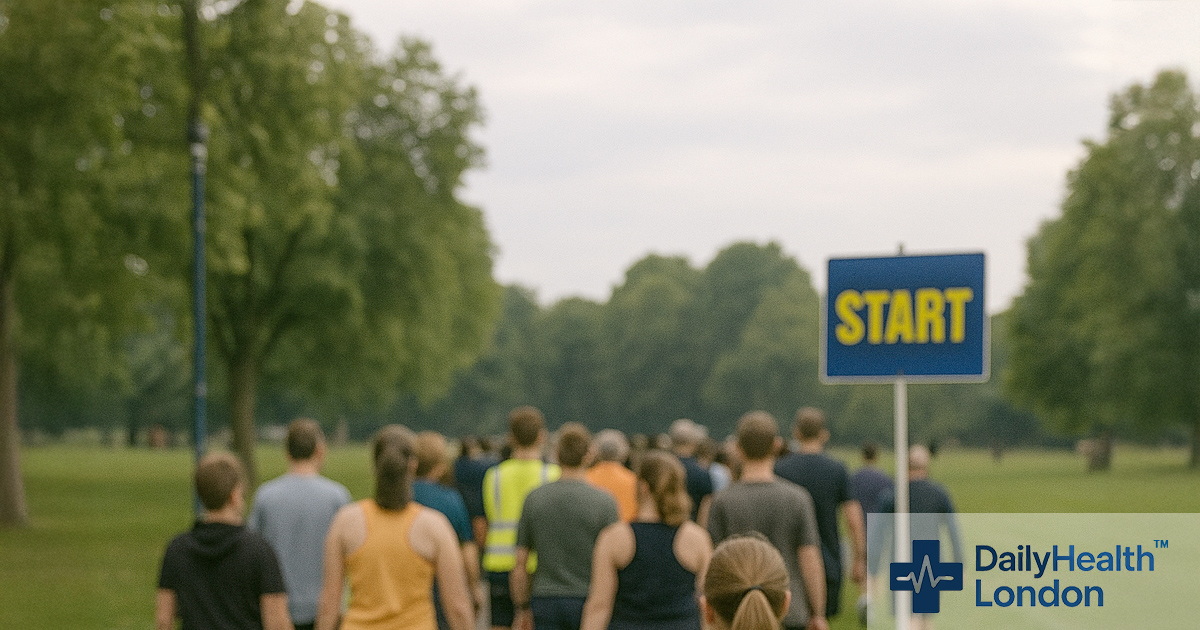
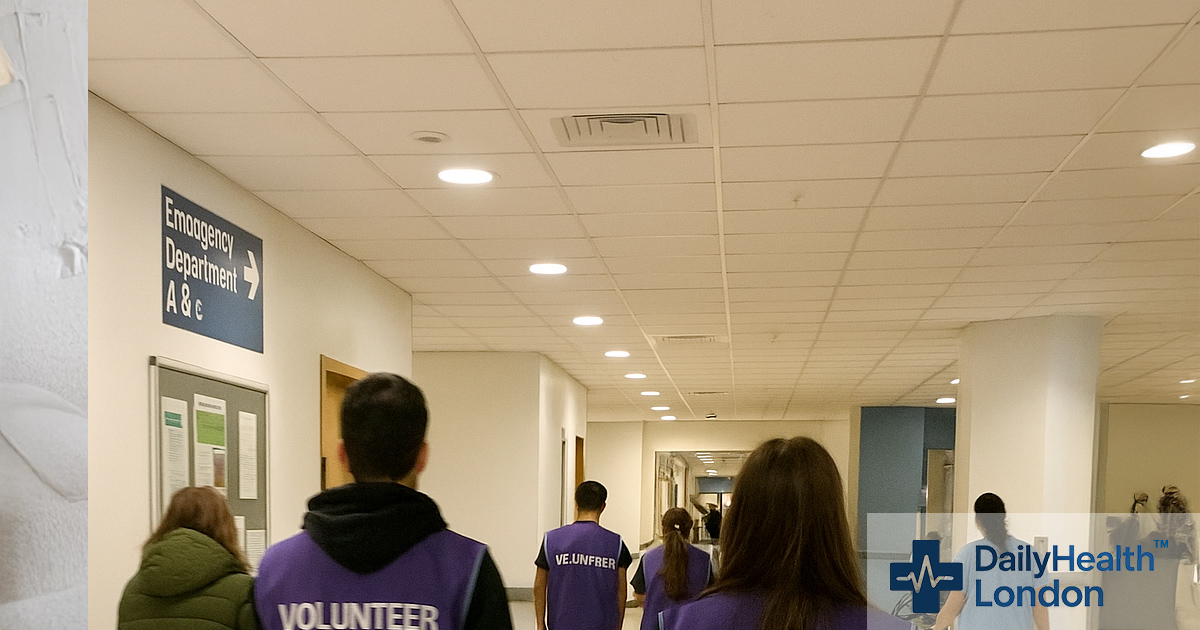
On an ordinary London evening, a GoodGym “group run” might begin at a leisure centre or civic building, where volunteers gather for a short briefing before heading out at a conversational pace to a nearby community venue. Tasks range from shifting boxes in a charity storeroom to weeding raised beds at a food-growing project. For participants referred through social prescribing, the session serves two functions at once: it fulfils an agreed activity goal and builds a new social network, with the added motivation that their effort directly benefits neighbours who rely on local services.
Alongside group runs sit “coach visits”, the one-to-one strand often highlighted by health and social care partners. After safeguarding checks and training, volunteers are matched with an older person, known as a “coach”, whom they visit regularly by running or walking to their home. Local authority directories in London now signpost GoodGym as an option for residents aged over 50 who need practical help or company, reflecting how closely the scheme is linked to statutory services in boroughs such as Haringey. For people leaving hospital or adjusting to new health conditions, a brief weekly visit can complement formal home-care packages by adding conversation, small errands and a sense of continuity.
The social prescribing angle has become more explicit as London’s integrated care systems expand their non-clinical offers. A London-wide social prescribing vision developed by partners including NHS England, the Greater London Authority and the London Social Prescribing Network emphasises the role of volunteering, physical activity and community connection in tackling loneliness, low mood and long-term conditions. GoodGym fits neatly into that picture: link workers can refer patients who say they miss being active or feeling useful, knowing that they will be supported by a structured, supervised organisation rather than left to navigate volunteering options alone.
For older Londoners, the experience is shaped as much by routine as by statistics. A person in their seventies living alone might first hear about GoodGym from a social worker or advice agency and agree to a short weekly visit. Over time, the sight of a familiar volunteer arriving at the same time each week can punctuate days that might otherwise pass with little social contact. Practical tasks such as changing a lightbulb or clearing a path to the front door sit alongside simple conversation about the local area, sport or family, reinforcing a sense of being noticed and valued in a city where many people feel left behind by rapid change.
The volunteers also experience health gains that matter to NHS planners. GoodGym’s charity returns show that membership rose to 22,844 people by August 2024 across 61 active areas, underlining the appeal of combining exercise with community action. For those who struggle to stick with gym routines, having a task and a group can make it easier to maintain regular activity, which in turn supports long-term goals around cardiovascular health, weight management and mental wellbeing. The blend of running, brisk walking and occasional lifting or digging means sessions can be adapted to different fitness levels and ages.
Equity is an important thread running through the scheme’s London work. Many coach visits and missions are concentrated in neighbourhoods where older residents have lower incomes, limited family support or long histories of health problems. In these areas, statutory services can sometimes feel stretched to cover the basics, leaving little capacity for the extras that make daily life more manageable. GoodGym does not replace district nursing, home care or housing repairs, but it can fill small gaps – setting up televisions after moves, fetching groceries when mobility dips, or providing a regular friendly face – that otherwise risk accelerating decline.
As 2025 moves on, the relationship between GoodGym and London’s health system continues to evolve. Some boroughs are exploring more formal referral pathways from primary care networks and hospital discharge teams, while others are focusing on signposting and joint events to raise awareness among link workers and voluntary sector partners. For individual Londoners, however, the impact is visible in quieter ways: a runner stopping to chat on a doorstep, a small team trotting down back streets towards an evening task, or a once-reluctant exerciser discovering that they are more likely to go for a run if it means helping someone else at the same time.
-
www.goodgym.orghttps://www.goodgym.org/
-
bhma.orghttps://bhma.org/social-prescribing-in-london-a-gp-perspective/