UCLH arts festival hosts patient voices in hospital corridors
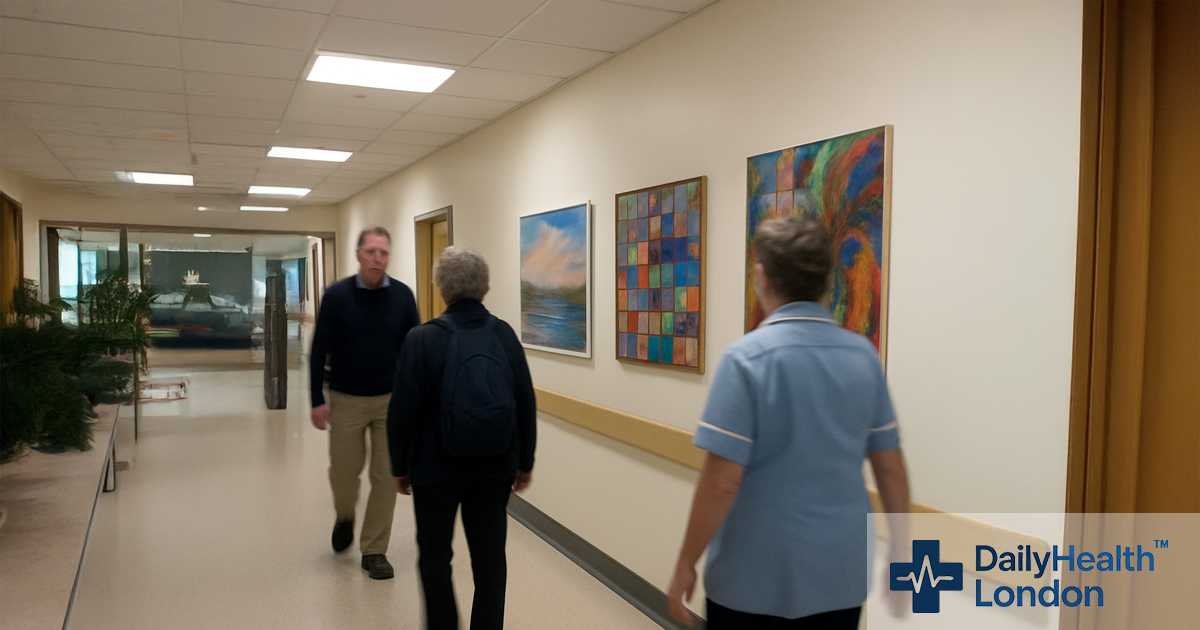
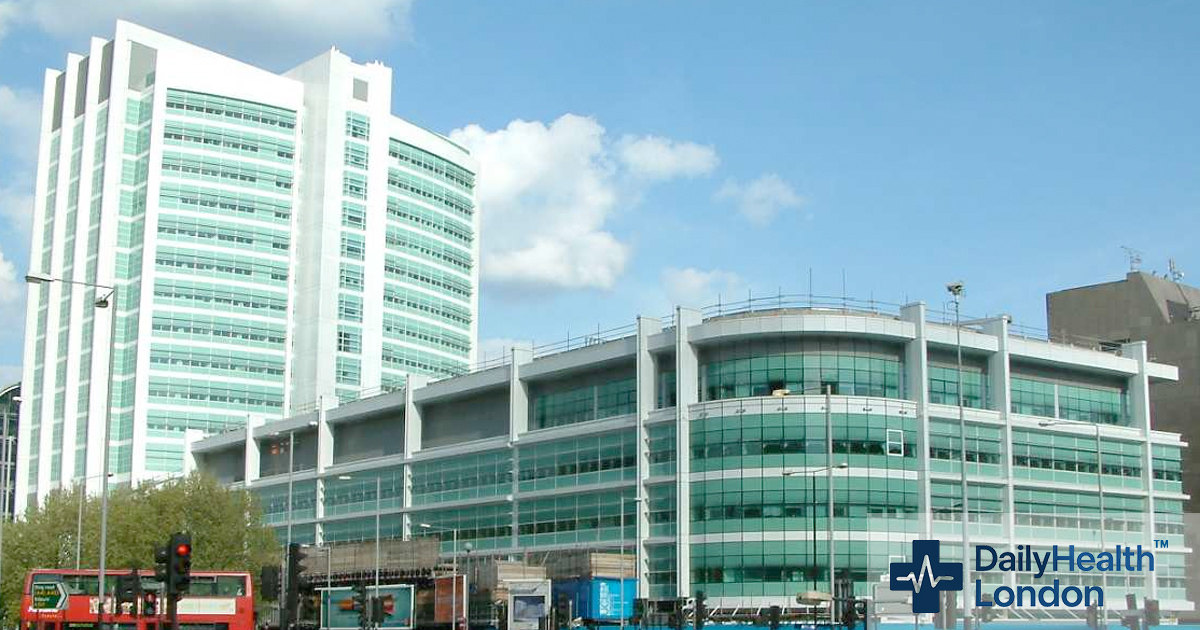
In central London, the spaces patients usually pass through quickly at University College Hospital are doubling as galleries, as the UCLH Arts team marks 20 years of work with a first trust-wide arts festival in autumn 2025 and a new Patient Open Exhibition earlier in the year, bringing curated artwork directly into corridors and waiting areas where outpatient appointments, blood tests and treatment reviews take place every day.
The shift is framed by a clear timetable: UCLH Arts launched its first Patient Open Exhibition in The Street Gallery from 2 May to 9 July 2025, displaying 24 artworks created by patients from across the trust, and then followed this with the UCLH Arts Festival from 29 September to 4 October 2025 to celebrate two decades of its arts and heritage programme. Together, these events have turned routine hospital journeys into encounters with painting, photography, textiles and sculpture that reflect experiences of illness, recovery and care.
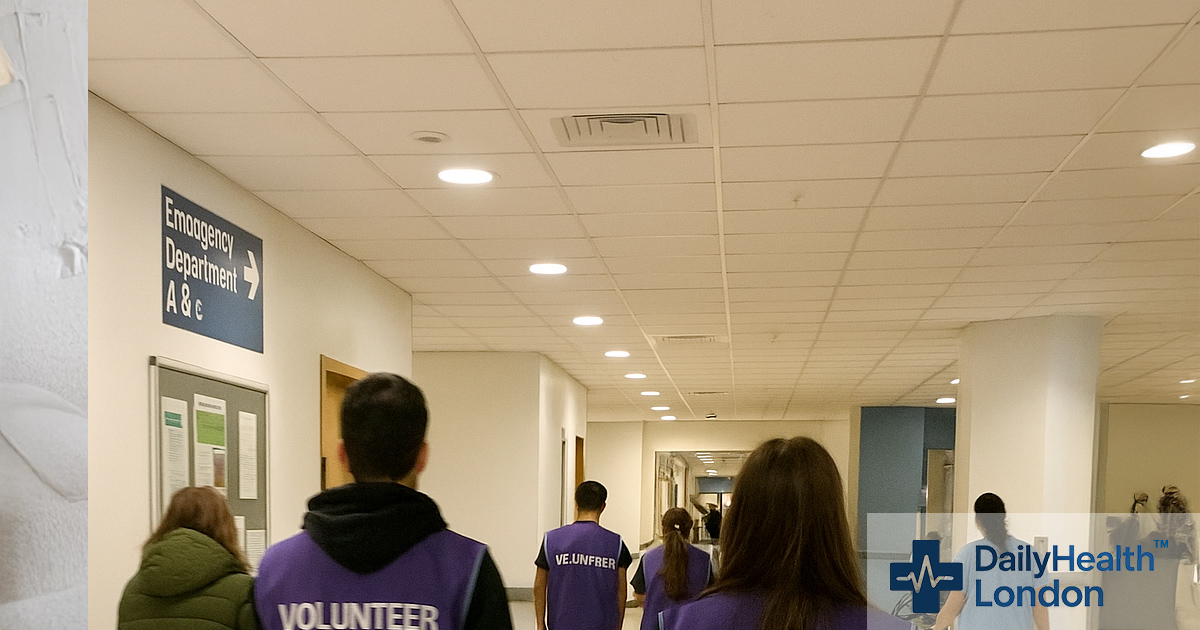
The Patient Open Exhibition changes the feel of The Street Gallery, a glass-fronted space on the ground floor that sits directly on a main route to clinics and diagnostic departments. Instead of only posters and wayfinding signs, patients and staff walking to blood tests or imaging appointments now pass work made by people who have stayed on the wards, attended chemotherapy or visited maternity services. For those whose own treatment is still underway, seeing creative responses from others can make the hospital environment feel less anonymous and more shaped by people who know it from the inside.
Beyond the gallery itself, art is woven into newer UCLH buildings in a way that is intended to influence day-to-day experience rather than sit apart from it. In the Grafton Way Building, which houses cancer and surgical services, UCLH Arts has installed more than 100 pieces of art in public spaces and clinical areas, including large-scale works that incorporate views of nature and abstract colour. The trust’s arts curator has previously highlighted evidence that access to images of nature can ease anxiety and support recovery, and the building’s art collection is designed around those principles.
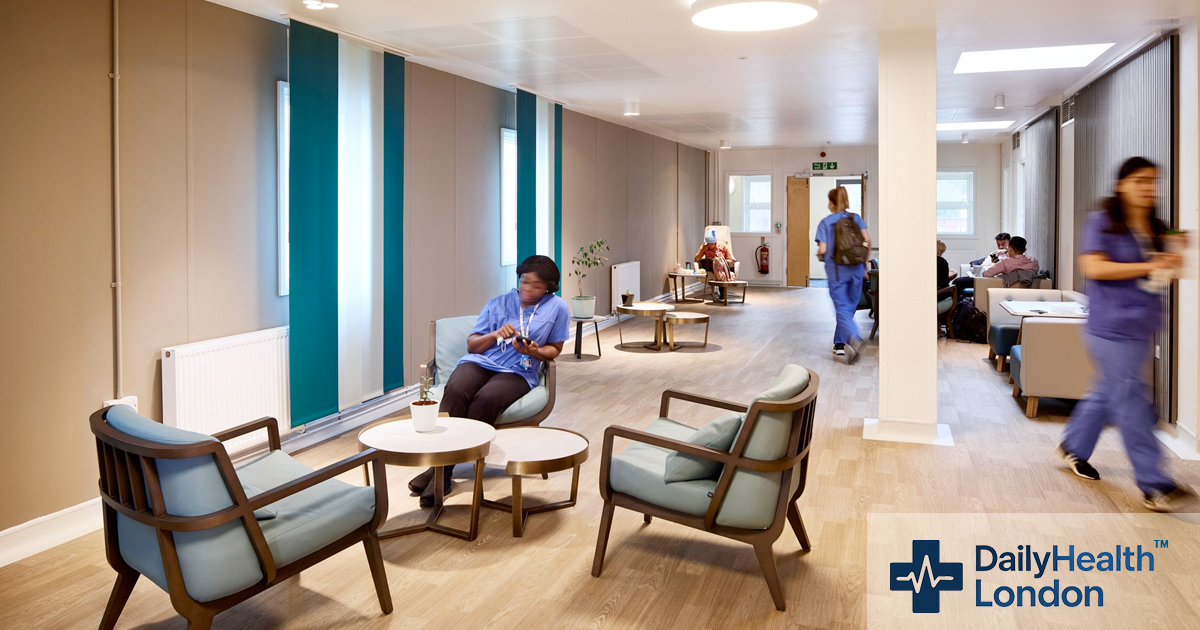
Much of this work is about the small moments that fill long visits. In outpatient departments where clinics run all day, patients and relatives often spend extended periods in waiting rooms before or between tests. Staff report that questions about artwork, or simply having something to look at beyond a television screen, can change the tone of those waits. A parent accompanying a teenager to a follow-up appointment might spend time exploring the images along the corridor; a patient returning regularly for infusions sees familiar works become markers of progress and routine.
The 2025 festival extends that approach by programming creative activities across the hospital campus, including drop-in workshops, music, poetry and movement sessions for patients, staff and visitors. While clinical priorities continue to shape what is possible on any given ward, the aim is to offer short, low-pressure opportunities for people to pause, try something creative and see parts of the site not normally associated with treatment. For staff, that can mean a brief sketching or printmaking session slotted between shifts; for inpatients, it may be a supervised visit to a public gallery space as part of a therapy plan.
National evidence has begun to catch up with the intuition behind such programmes. A landmark arts and health study commissioned by the Department for Culture, Media and Sport and published in December 2024 estimated that engagement with arts and culture generates around £8 billion a year in benefits to health, wellbeing and productivity in the UK, including reductions in pain, depression and reliance on medication as well as broader improvements in quality of life. UCLH Arts cites this growing evidence base in its own material, positioning the programme as part of a wider movement to treat creative activity as a routine health resource rather than a luxury.
The trust’s arts and heritage work also has an explicit focus on inclusion. Alongside the Patient Open Exhibition, UCLH Arts has hosted shows featuring artists linked with Headway East London, exhibitions tied to events such as International Women’s Day and staff and volunteer showcases. These programmes are designed to reflect the diversity of people who use and work in the hospital, from long-stay neurology patients to midwives, porters and administrative teams, and to challenge assumptions about who makes art and whose stories are visible on hospital walls.
For clinicians, the artworks are not a substitute for clinical care but a backdrop that can influence how conversations unfold. A consultation room with a carefully chosen photograph or print may feel less stark to someone receiving complex information; a corridor exhibition on experiences of parenting or rehabilitation can create points of connection between staff and patients who recognise elements of their own lives in the work. Over time, such details can shape how welcome or alien a space feels, which in turn affects how likely people are to attend follow-up appointments or feel able to ask questions.
As 2025 progresses, UCLH Arts is using feedback from patients, staff and visitors to decide which pieces remain in place, which rotate to other parts of the hospital and how future exhibitions might link more directly with services such as oncology, maternity or neurology. While the public focus falls on festival weeks and exhibition openings, the practical test of the programme lies in the quieter months: whether a person arriving for a morning clinic in November finds that the journey from the entrance to the waiting room feels a little less clinical, a little more human, because of the artwork they encounter along the way.
-
www.uclh.nhs.ukhttps://www.uclh.nhs.uk/about-us/who-we-are/arts-and-heritage-1/art-display/exhibitions/patient-open-exhibition-2025
-
www.uclh.nhs.ukhttps://www.uclh.nhs.uk/about-us/who-we-are/arts-and-heritage-1/news-and-events/latest-news/uclh-arts-festival-2025-celebrating-20-years-uclh-arts
-
www.uclh.nhs.ukhttps://www.uclh.nhs.uk/news/more-100-pieces-art-uclhs-grafton-way-building
-
www.uclhcharity.org.ukhttps://www.uclhcharity.org.uk/about-us/news-and-events/news/unleash-your-talent-submit-your-artwork-patient-open-exhibition
-
www.uclh.nhs.ukhttps://www.uclh.nhs.uk/about-us/who-we-are/arts-and-heritage-1/art-display/exhibitions/headway-east-london-differently-various
-
www.theguardian.comhttps://www.theguardian.com/society/2024/dec/17/consuming-arts-and-culture-is-good-for-health-and-wellbeing-research-finds