Backlog repairs and lounges recalibrate London patient flow
NHS estates pressures are now shaping the small logistics of a hospital day, as provisional national estates data for 2023/24 put the backlog maintenance at £13.8bn and the running cost of the estate at £13.6bn, prompting London trusts to prioritise layouts and minor works that speed departures as much as they refresh wards (source: ERIC 2023/24 provisional, published 17 Oct 2024, last edited Aug 2025).
The shift has been building over two years: national estates analyses in 2022/23 flagged rising maintenance burdens and, by 2024, NHS England’s productivity guidance re-emphasised estate design that frees staff time—so capital-light changes such as re-sited pharmacy hatches, transport bays and discharge lounges have been used in the capital to turn beds faster while larger refurbishments wait their turn (sources: ERIC 2022/23 summary; NHS England estate productivity long read 2024).
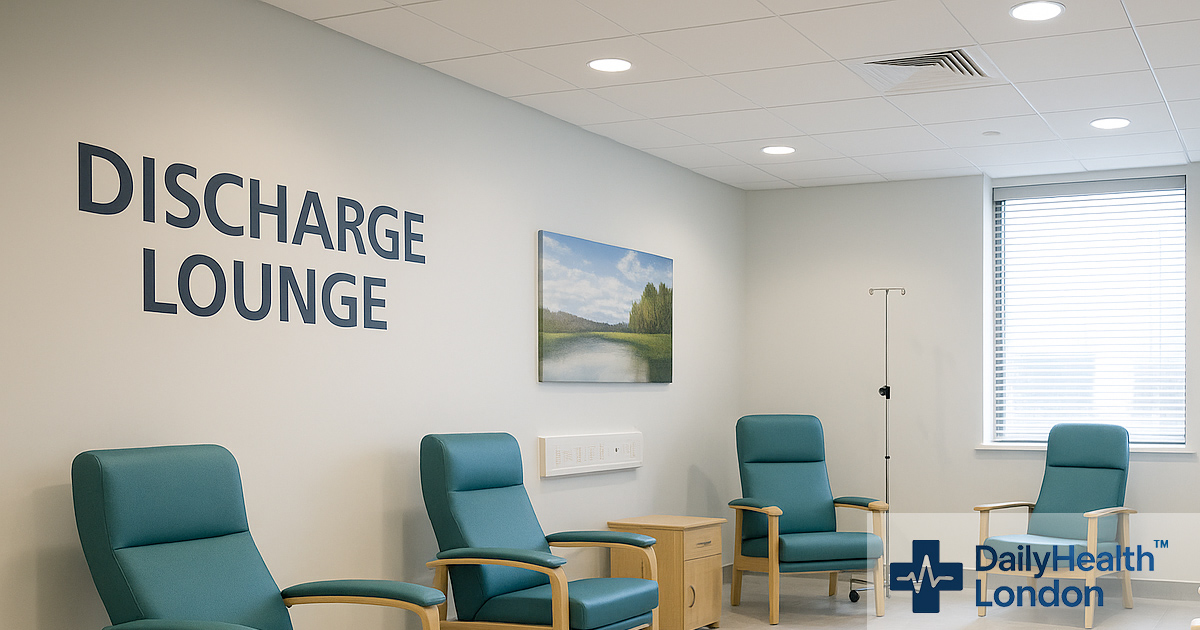
One London case study shows the scale of gain available from small capital and a tighter operating model: at Royal Free Hospital, a refurbished discharge lounge increased capacity from 10 ambulatory chairs and 2 recliners to 19 chairs, 4 recliners, 1 bariatric chair and 1 stretcher bay, and average daily throughput rose from 10 to 27 patients, peaking at 535 attendances in June 2023 (source: NHS Confederation case study, 31 Aug 2023).
The estates figures also record the scale of the system to be serviced—11.1bn kWh of energy used across the NHS estate in 2023/24—which is why trusts report bundling minor compliance works with flow-friendly reconfiguration, so that an oxygen store move or corridor refit also creates space for same-day transport staging instead of patients waiting back on wards (source: ERIC 2023/24 provisional).
Equity is not an afterthought here: discharge areas that are closer to main entrances, with clear signage and seating, shorten waits for people who rely on hospital-arranged transport or family pick-ups; London sites serving higher-deprivation neighbourhoods report that earlier moves to lounges reduce missed slots and rework when taxis or patient transport arrive to collect someone still stuck on a ward round.
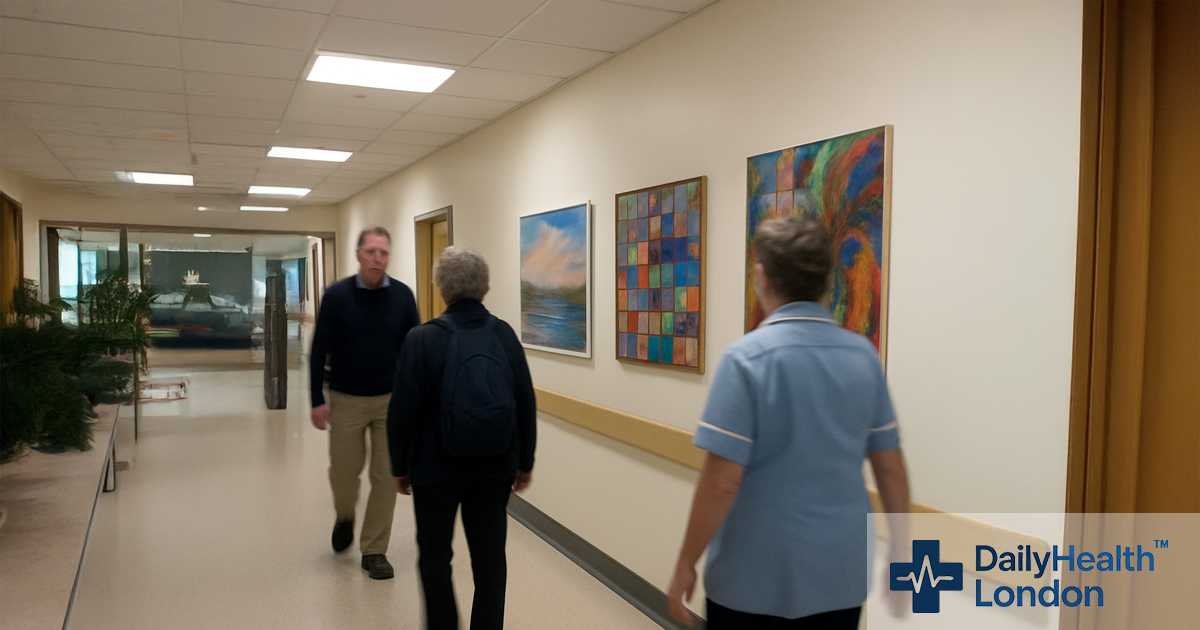
Day to day, this looks ordinary rather than grand—beds made ready sooner because paperwork is finished in a dedicated lounge, porters walking fewer long corridors after small estates fixes, and patients spending their last hospital hour in a brighter room—while managers watch whether these low-cost changes, layered over a large backlog, keep nudging median discharge timing earlier across the capital.
Tags
-
digital.nhs.ukhttps://digital.nhs.uk/data-and-information/publications/statistical/estates-returns-information-collection/management-information---provisional-summary-figures-for-2023-24
-
digital.nhs.ukhttps://digital.nhs.uk/data-and-information/publications/statistical/estates-returns-information-collection/england-2022-23
-
www.england.nhs.ukhttps://www.england.nhs.uk/long-read/delivering-productivity-through-the-nhs-estate/
-
www.nhsconfed.orghttps://www.nhsconfed.org/case-studies/improving-royal-free-discharge-lounge