East London GP practice hosts family run for local wellbeing
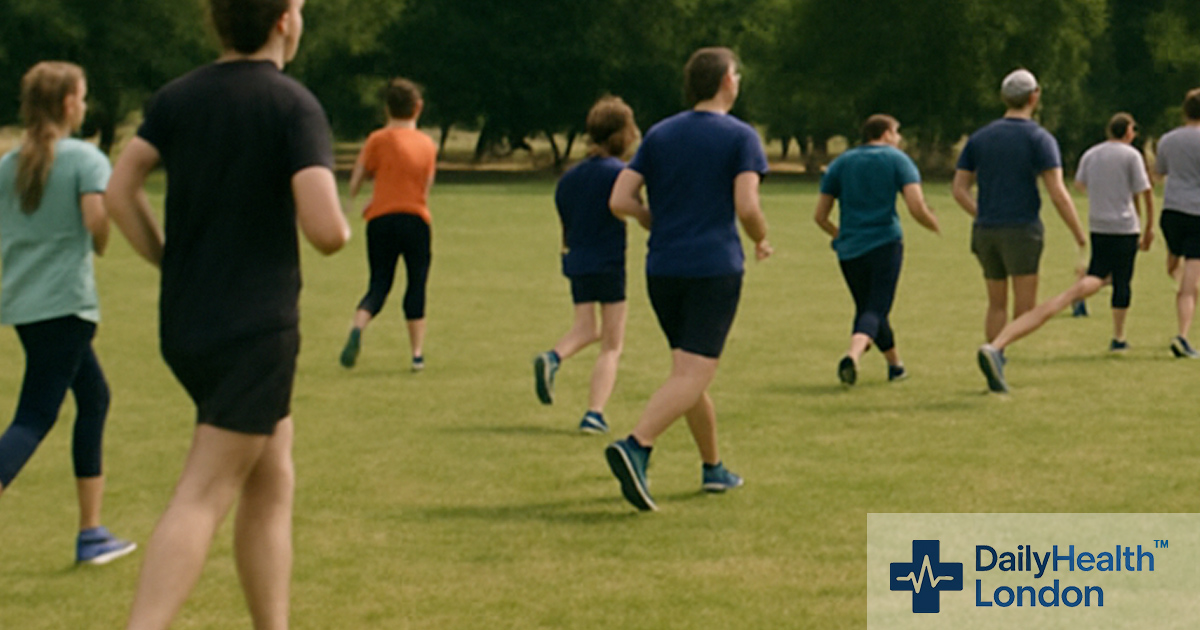
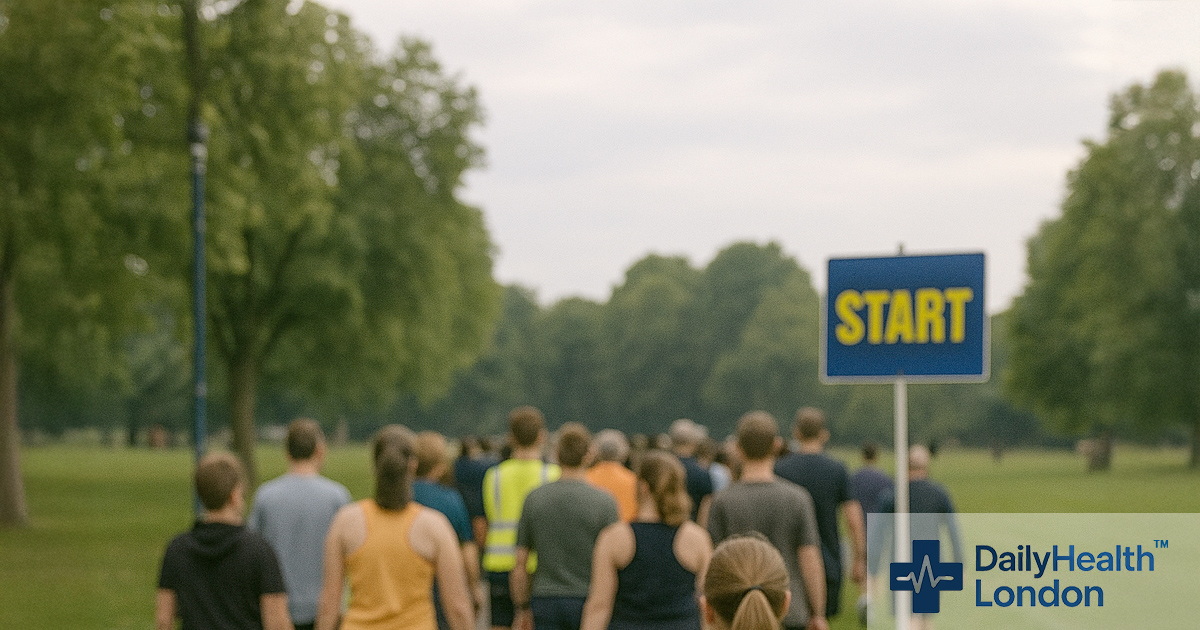
From a grassy corner of London Fields Park, a GP surgery has turned a one-off fun day into a new reference point for local health care. On 17 August 2024, Richmond Road Medical Centre held its first Family Park Run event, with practice reports saying more than 900 residents dropped by between late morning and lunchtime, and has since treated the park as an outdoor extension of its waiting room, blending informal movement, children’s activities and health checks in a space that many families already visit at weekends.
On that Saturday the practice set up gazebos, a small route marked for walks and short runs, and tables for basic observations just a few minutes’ walk from its premises on Richmond Road. Families who came for the bouncy castle or face painting also encountered blood pressure monitors, sports taster sessions and staff explaining how regular activity can fit around school runs and shift work. For nearby residents, the mix of play and health information turned an everyday park visit into a soft point of contact with primary care, without the formality of an appointment.
The London Fields event sits within a wider pattern of GP surgeries linking up with community runs as part of the parkrun practice initiative, which encourages family doctors to talk about free five kilometre walks and runs as one option for people who want to move more or feel less isolated. According to a Royal College of General Practitioners announcement issued on 28 March 2025, around 2,000 GP surgeries across the UK had by then registered as parkrun practices in partnership with parkrun, reflecting steady growth in the scheme since its launch. The Richmond Road event reflects similar principles even where formal registration is still evolving.
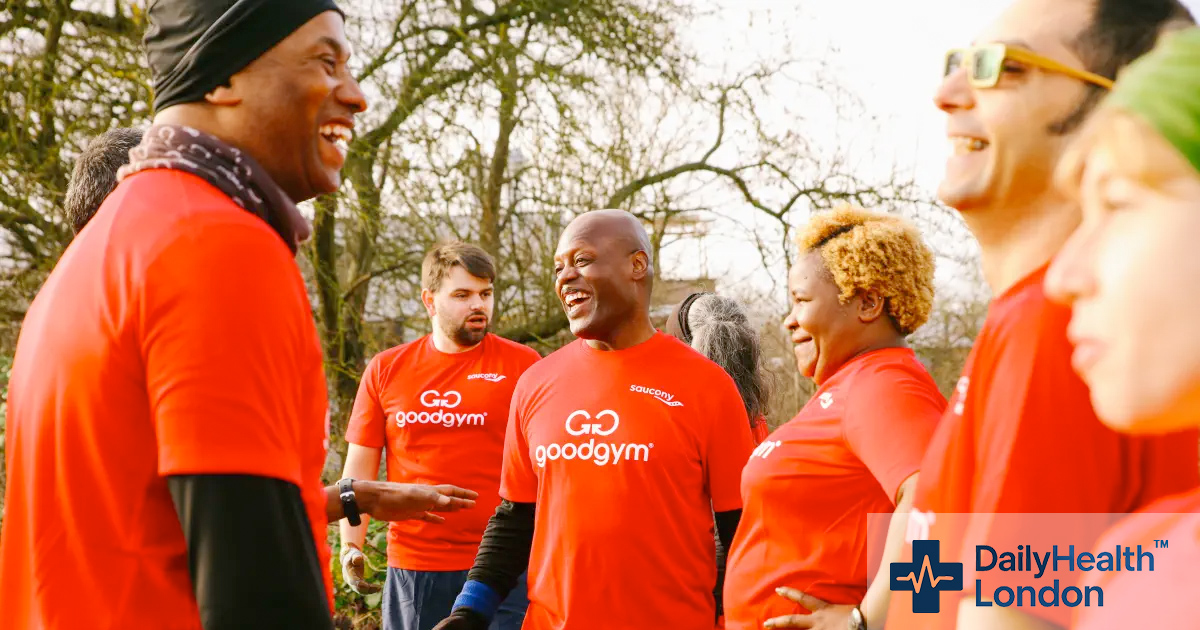
In this part of east London, the Family Park Run has been framed as a community celebration rather than a standalone health campaign. Practice materials describe it as a family fun day with a run at its heart, combining popular attractions, costumed characters and the launch of a small sports academy with a visible presence from clinicians and administrative staff. The idea is that patients encounter familiar faces from reception or the consulting room while doing something they might have chosen anyway on a dry Saturday, such as taking children to the park or meeting friends on the grass.
Behind these local scenes sits the larger story of how walking and running events have become part of everyday health infrastructure in cities such as London. Parkrun’s organisers point out that there are now dozens of events within Greater London alone, with weekly attendances at individual locations often running into several hundred participants. At one inner London course in Hilly Fields Park, for example, a recent course review described paths busy with a mix of faster runners, steady joggers and relaxed walkers, underlining how the format has broadened beyond club-level running to accommodate a wide range of abilities.
National statistics underline how far parkrun has shifted away from a focus solely on speed. A parkrun anniversary review published in October 2024 reported that the average time taken to complete a five kilometre course had risen to just over 32 minutes in 2023, a sign that many people now use the events for gentle activity rather than chasing race-style personal bests. For GPs thinking about recommending a local event to someone who has not exercised in years, an average pace closer to a brisk walk than a competitive run makes the suggestion easier to frame as achievable.
Research on social prescribing and physical activity helps explain why surgeries are investing effort in these links. Studies of the parkrun practice initiative and wider social prescribing programmes highlight that participants often mirror the mix of people who regularly attend GP appointments, including those living with long-term conditions, low mood or loneliness. National social prescribing bodies also emphasise that volunteering at events, marshalling routes or supporting slower participants can provide structure and social contact for people who are not ready, or not able, to complete the full five kilometre course themselves.
In east London, practice feedback suggests that the Family Park Run crowd brought together households who might not otherwise sign up for practice-based health promotion sessions. Parents queued for children’s activities as information on local services was handed out; older residents came along to see grandchildren on the obstacle course and accepted blood pressure checks while they waited. Although the event itself ran for only two hours, staff report that it generated weeks of follow-up conversations in consultations about safe levels of activity, preventing falls and managing long-term conditions in ways that fit around existing routines.
The park setting helps to bridge gaps in access that are hard to address through buildings alone. London Fields sits between busy roads and residential streets that are home to people with very different incomes and housing situations. Holding a health-themed family day in an open public space means that passers-by can join without a ticket, referral or online form, reducing barriers for those who are less confident with digital tools or who find clinical settings intimidating. For children, seeing surgery staff in branded T-shirts rather than behind a reception desk can make later appointments feel less daunting and more familiar.
At the same time, general practice remains the anchor for follow-up. Staff who helped at the London Fields event returned to their consulting rooms with a clearer sense of which local residents struggle to find time for activity, and which community groups have the trust of families who came along. The practice is exploring ways to build on that knowledge through conversations with link workers, by signposting to regular runs and walks in the park, and by planning future events that deepen connections between the surgery, the voluntary sector and local residents.
Taken together, these developments show how a single GP practice’s decision to host a large family run has become part of a broader shift in London’s day-to-day health services. Instead of seeing physical activity as something separate from primary care, practices such as Richmond Road are beginning to weave it into the same fabric as medication reviews and routine check-ups, using parks, volunteers and free events to reach people where they already are. For many residents, that means health care is now just as likely to appear in the middle of a busy park on a Saturday morning as it is behind the surgery’s front door.
-
www.richmondroadmedicalcentre.nhs.ukhttps://www.richmondroadmedicalcentre.nhs.uk/news/2024-events
-
www.rcgp.org.ukhttps://www.rcgp.org.uk/news/2000-gp-surgeries-registered-parkrun-practices
-
blog.parkrun.comhttps://blog.parkrun.com/uk/2024/10/01/20-years-of-parkrun