Elective hubs reshape London surgery as home response grows
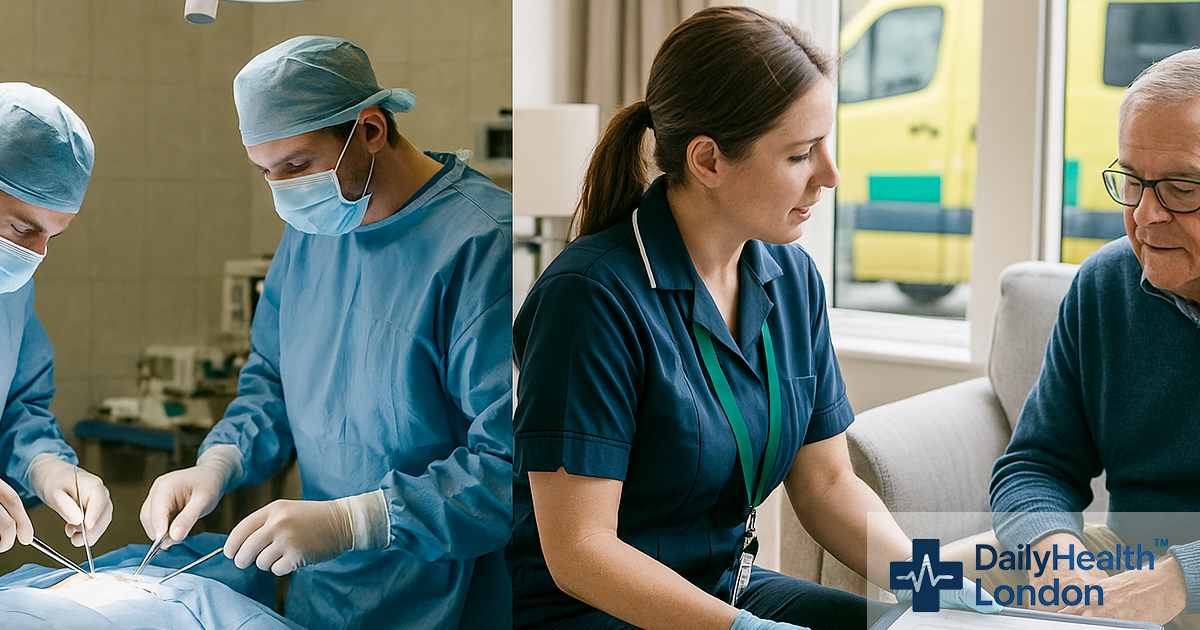
Elective surgery in London is being reset by a national drive to expand surgical hubs, backed by £3.2 billion of capital for diagnostic transformation and hubs between 2022–23 and 2024–25, at the same time as waiting list data show 7.43 million referral-to-treatment pathways in England in January 2025, with 59% of patients starting treatment within 18 weeks against the 92% standard.
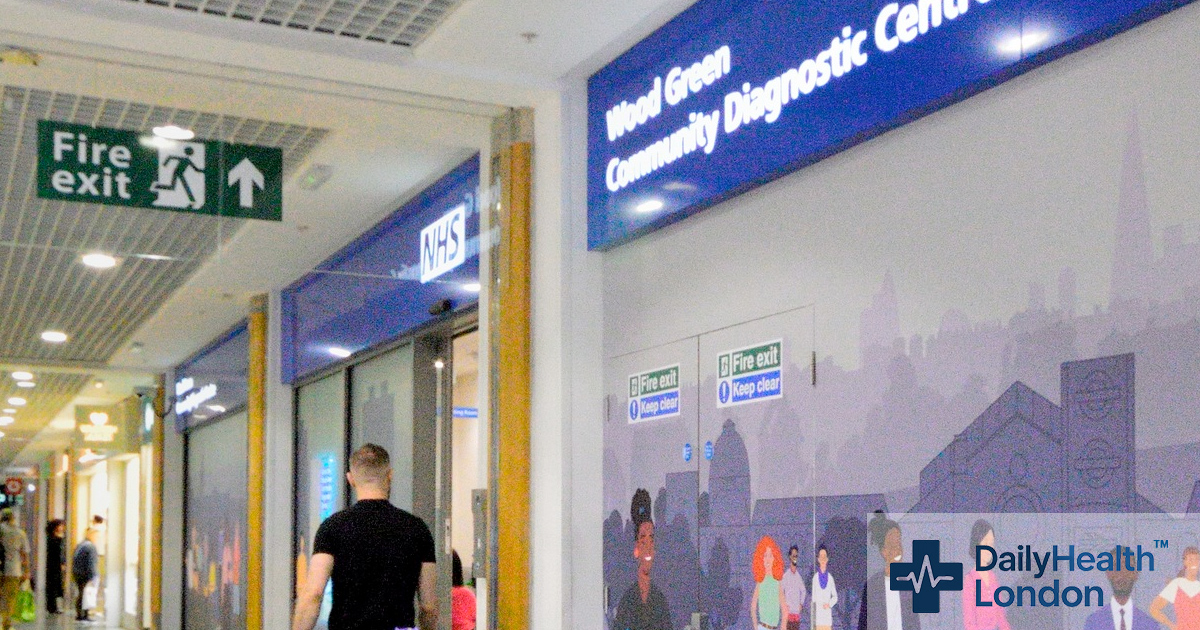
Evidence from national programmes indicates that by June 2024 there were 108 elective hubs operating across England, including 29 funded through the Targeted Investment Fund, with another 29 hubs due by the end of 2025, and that these new sites and expansions together are expected to enable an extra 300,000 elective procedures and around 700,000 outpatient appointments each year; by early 2025 NHS England was reporting more than 110 surgical hubs in place, alongside 137 Community Diagnostic Centres developed over the same capital window.
London sits near the centre of that build-out: an earlier Department of Health announcement in 2022 listed multiple London hospitals among the first wave of hub sites, from orthopaedics at the South West London Elective Orthopaedic Centre to day-case units at Central Middlesex, Chase Farm and UCLH, while a separate Royal National Orthopaedic Hospital update in April 2024 confirmed that its London surgical hub was one of 35 to achieve GIRFT accreditation out of around 100 hubs then in operation, with hub case studies in London cited for higher productivity, fewer on-the-day cancellations and more same-day discharges for high-volume procedures.
Community services data add a second layer to the productivity story: NHS-wide statistics show that by September 2024 some 85% of urgent community response referrals were being reached within the two-hour standard, with 85 of 91 reporting trusts meeting or exceeding the national objective of 70%, turning rapid home-based assessment into a key component of efforts to reduce avoidable admissions and protect elective capacity.
Within London, South West London Integrated Care Board reports that its urgent community response service handled 1,745 referrals in April 2025 alone and reached 87% of people within two hours, compared with a national average of around 75% and a national target of 70%, making it the ninth busiest of England’s 42 NHS areas by referrals per head and linking doorstep nursing and therapy visits directly to keeping frail or deteriorating patients away from hospital beds that surgical hubs need.
Taken in combination, the figures outline a capital-and-community strategy in which more than 110 surgical hubs and 137 diagnostic centres are supported by £3.2 billion of targeted investment and forecast to add hundreds of thousands of procedures and outpatient slots each year, while an urgent community response model meeting or surpassing the two-hour standard in most systems—reaching 87% of callers in South West London and around 85% nationally—aims to keep London’s hub theatres running predictably enough to chip away at a 7.43 million-pathway waiting list.
Tags
-
www.england.nhs.ukhttps://www.england.nhs.uk/ourwork/elective-care-transformation/