Home response teams ease discharge delays for London patients
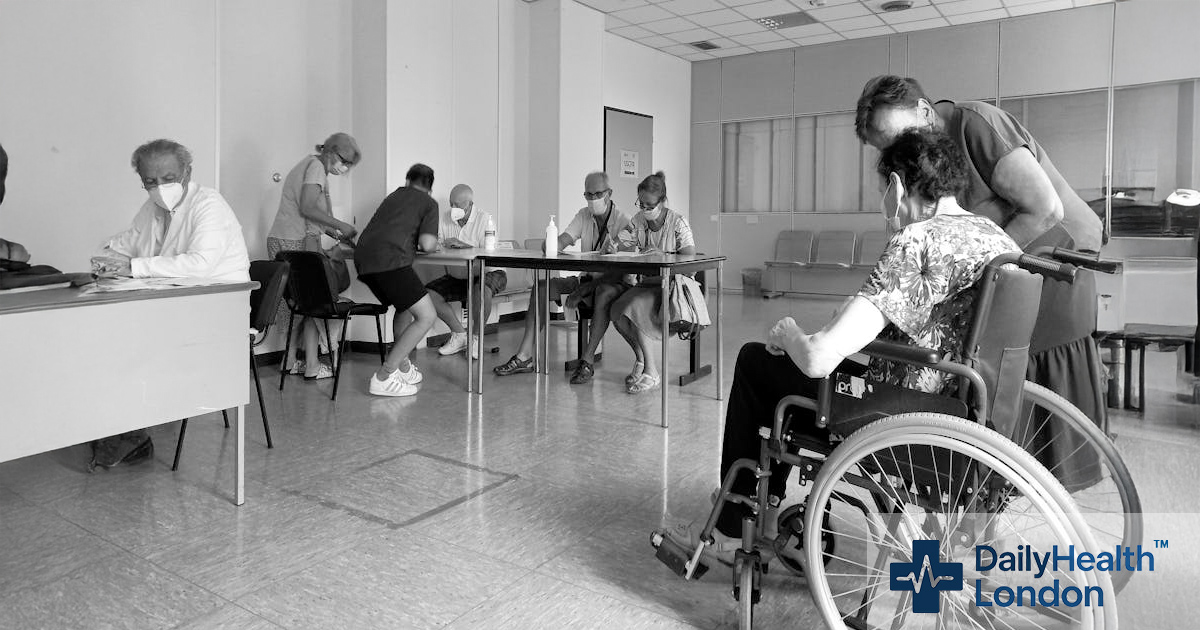
Nurses, therapists and paramedics in urgent community response teams are increasingly stepping into living rooms instead of wards for older London patients, as NHS-funded home visiting services set up since 2021 are used to stabilise people in crisis, avoid unnecessary admissions and help those ready for discharge leave hospital with support already in place.
National statistics for the two-hour Urgent Community Response standard show how far the model has moved from trial to routine, with NHS Providers’ community sector tracker reporting that by August and September 2024 around 85% of UCR referrals in England were being seen within two hours at home, and 85 of 91 reporting trusts were meeting the national objective of at least 70% rapid responses.
The push to keep more care in people’s homes sits against a backdrop of stubborn delays inside hospitals, with Nuffield Trust analysis published in September 2025 showing that for long-stay patients in England the average daily number of delayed discharges rose from 2,575 in June 2021 to 6,815 in January 2023, fell by 18% by August 2023 and then climbed again by 22% in January 2024, underlining how hard it has been to convert short-term initiatives into sustained improvements.
Fresh discharge data from NHS England and NHS Digital add detail to that picture, with the new Intermediate Care Data Collection and discharge ready date series indicating that in England in November 2024 about 13.3% of people were discharged from acute beds one or more days after the date they were recorded as ready to leave, and revised figures released in July 2025 now track these waits consistently at national, regional, integrated care board and trust level from April 2024 onwards.
In London, some acute trusts have coupled home response teams with revamped discharge lounges so that medically fit people no longer wait on wards for transport or final checks, and one published case study from Royal Free London NHS Foundation Trust reported that, after refurbishing its discharge lounge in 2023, average daily attendance rose from nine to 31 patients, freeing up more inpatient beds earlier in the day for those who most need them.
For residents, these changes appear not as policy documents but as knock-on effects in everyday life, from a frail person being assessed on their sofa within hours of a GP call to a relative collecting a family member from a London hospital knowing that community staff will visit the next day, while the test for the capital’s services will be whether rapid home support and streamlined lounges can steadily reduce the proportion of people waiting extra days on wards simply because the right help is not yet in place at home.