Late Shift spotlights nursing strain amid global shortages
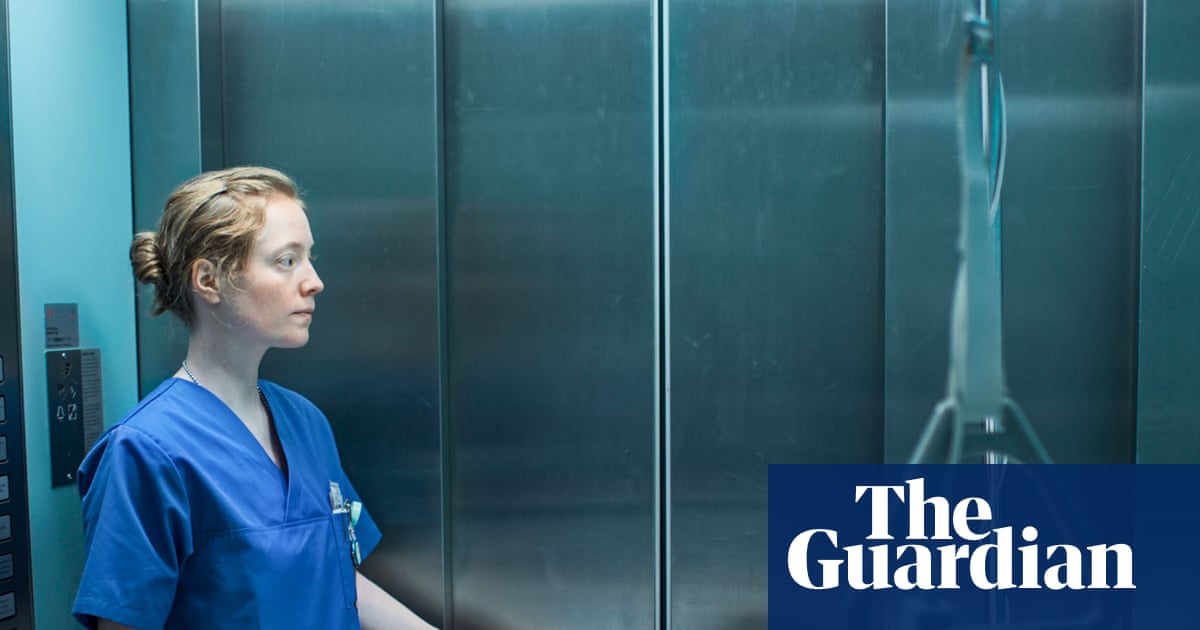
Swiss director Petra Volpe’s film Late Shift depicts how a single missed night shift can cascade into risk across a hospital ward, using the story of the dedicated but exhausted nurse Floria to illuminate a looming global shortage of up to 13 million nurses by decade’s end.
Volpe frames care work as heroic yet undervalued—“This work, which is extremely complex and emotionally charged, is completely devalued,” she says—arguing that the profession is predominantly female in many countries and that systemic pressures compound the chance of error when staffing falters.
Leonie Benesch plays Floria with early “acrobatic” precision before mounting workload and stress escalate; she notes medical dramas rarely place nurses at the centre and trained with real hospital staff to learn the “choreography” of injections, blood pressure checks and patient interactions.
Numbers in context include a projected shortage of 13 million nurses by the end of the decade, a Berlin world premiere in February, a UK and Ireland release on 1 August, a workforce that is about 80% female in many countries, a quarter century of hospital experience for Ingo Böing, and ages 47 (Böing) and 28 (Franziska Aurich).
Source and timeline details: the film draws on Volpe’s experience with a nurse roommate and on Madeline Calvelage’s autobiographical book Our Profession Is Not the Problem – It’s the Circumstances; it premiered at the Berlin film festival in February, spurred policy reform debate, outperformed the latest Bridget Jones movie in Swiss cinemas, and opens in the UK and Ireland on 1 August.
Nursing representatives describe a “vicious circle” in which short-notice sickness leaves colleagues overextended; Böing of the German Association of Nursing Professionals found scenes “really how it is”, while Aurich of Berlin’s Charité urged Floria to “go back to work tomorrow” but “join a union” to reduce such shifts.
Volpe calls the film a “love letter” to nurses and says she hoped audiences would become better patients; she contrasts Europe’s strained systems with US policy, criticising cuts to Medicaid and warning against a wider loss of empathy, while Benesch’s portrayal underscores everyday responsibility often carried by nurses rather than physicians.
-
www.gov.ukhttps://www.gov.uk/government/organisations/department-of-health-and-social-care