NHS Bosses and BMA at Odds Over Resident Doctors' Strike
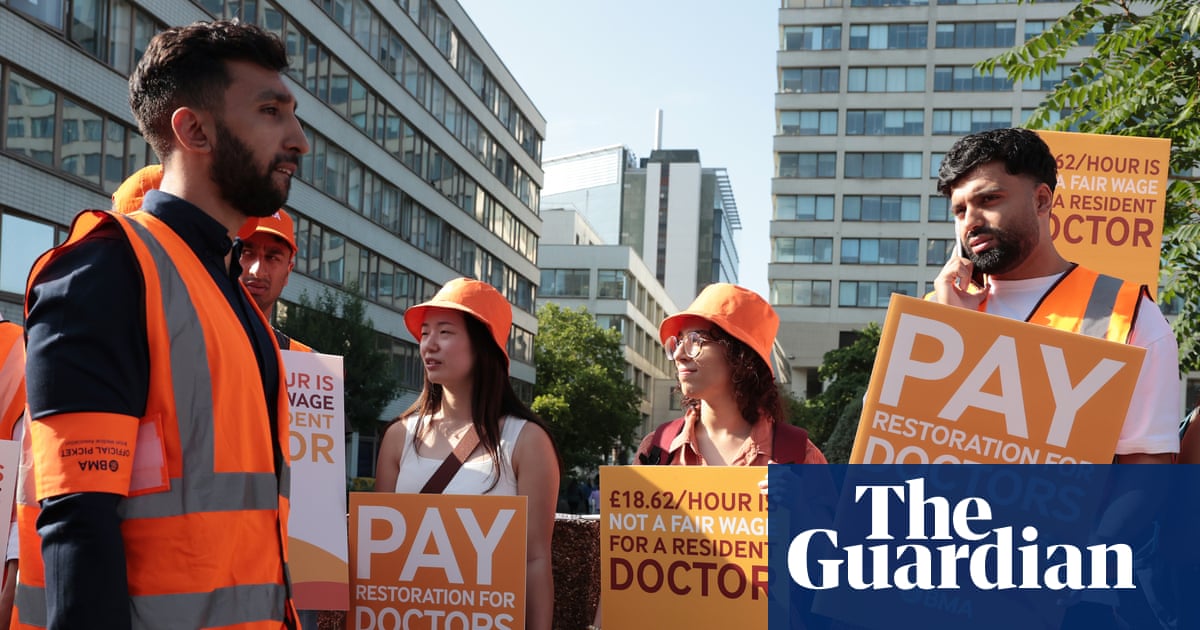
The British Medical Association (BMA) and NHS bosses are engaged in a heated dispute over the ongoing resident doctors' strike, with each side accusing the other of putting patients at risk.
The disagreement centers on "derogations," local agreements that allow striking doctors to cross picket lines to provide clinical care in hospitals. The BMA has been accused of taking a "hardline approach" to such requests, while NHS sources claim the union is delaying or refusing derogations, potentially jeopardizing patient safety.
Thousands of resident doctors in England are nearing the end of a five-day stoppage, part of their campaign for a 29% pay rise. The strike ends at 7am on Wednesday. Meanwhile, nurses in England, Wales, and Northern Ireland have voted to reject their 3.6% pay award for this year.
The Royal College of Nursing's online survey of 345,000 members revealed a "clear" rejection of the pay award, making it more likely that the NHS will face industrial action over pay by various staff groups later this year.
NHS England claims the BMA has rejected 18 requests for derogations during the strike and granted only nine. In one case, the BMA refused a request for a resident doctor to return to Milton Keynes university hospital to help staff a prostate cancer biopsy service.
The BMA counters that it has received 47 requests and agreed to allow 16 resident doctors to break the strike and return to work. The union claims NHS chiefs are asking for too many derogations due to poor staffing levels in some hospitals.
Senior NHS officials say fewer resident doctors have joined this strike compared to previous walkouts in 2023 and 2024. Participation is estimated to have dropped from around 80% to about 60%. The BMA plans to increase pressure on Health Secretary Wes Streeting by picketing King George hospital in Ilford on Tuesday.