Pharmacy First tests London’s role in antibiotic restraint
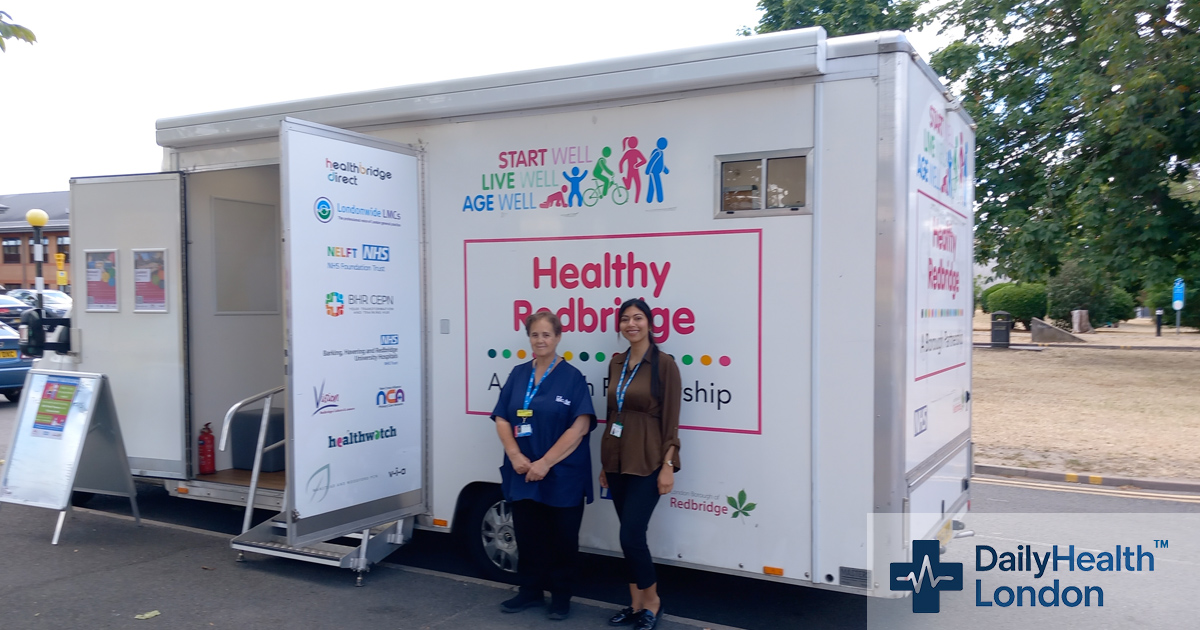
England’s Pharmacy First clinical pathways passed the 5 million consultation mark by late May 2025, after NHS England reported that 98% of community pharmacies had signed up and 1.7 million consultations were completed in the first ten months alone, placing London’s dense pharmacy network at the centre of a shift in how minor infections are assessed and treated outside GP surgeries.
Government updates on the Community Pharmacy Contractual Framework state that Pharmacy First pathways had already delivered more than 1.9 million consultations by early 2025, while analysis for the Company Chemists’ Association estimates around 1.5 million consultations in the first nine months and suggests that up to 9.2 million GP appointments a year for the seven commissioned conditions could, in time, be redirected into pharmacies, with some modelling pointing to as many as 40 million if the service is expanded and fully used.
Alongside that growth, NHS England’s community Pharmacy Quality Scheme has, since 2020, required pharmacies to embed antimicrobial stewardship through tools such as the TARGET antibiotic checklist and infection leaflets, and the 2023/24 and 2024/25 contractual updates keep stewardship in the quality gateway while the 2025/26 Scheme adds a specific clinical audit of Pharmacy First consultations, to be completed and fed back by 31 March 2026, locking stewardship expectations directly to the new service.
The wider backdrop is a delicate antibiotic balance: the latest ESPAUR lay summary reports that total antibiotic consumption in England reached 17.6 defined daily doses per 1,000 inhabitants per day in 2023, a 2.4% rise on 2022 but still about 1.9% below 2019 levels, while parliamentary analysis notes that overall antibiotic use has edged back towards pre-pandemic patterns, keeping the ambition to cut human antibiotic use by 15% from the 2019 baseline under pressure.
Primary care remains the main front line, with evidence indicating that around 70–80% of antibiotics are prescribed in general practice and that at least one in five of those prescriptions may be inappropriate, reinforcing national plans that explicitly lean on community pharmacies—as well as GPs—to reinforce self-care, check symptoms carefully and steer people away from unnecessary antimicrobials.
Front-line pharmacists describe the behavioural challenge in sharper terms: a National Pharmacy Association survey published in May 2025 found that 79% of pharmacists in England were refusing inappropriate requests for antibiotics at least once a day, 37% were aware of patients hoarding antibiotics and 25% reported patients frequently returning half-used courses, patterns that London high-street teams see mirrored in daily walk-ins for coughs, sore throats and urinary symptoms.
Viewed together, the numbers and timelines sketch a system in which more than 5 million Pharmacy First consultations have been delivered since January 2024, over 1.9 million of them in the scheme’s early phase, while antibiotic consumption in 2023 rose by 2.4% but remained just under its 2019 level, and successive Pharmacy Quality Scheme cycles—culminating in the 2025/26 audit of Pharmacy First consultations—attempt to turn London’s busy community pharmacies into consistent antimicrobial stewards rather than additional points of pressure on prescribing.
Tags
-
-
www.gov.ukhttps://www.gov.uk/government/collections/antimicrobial-resistance-amr-information-and-resources