South London pharmacy hosts extended everyday care checks
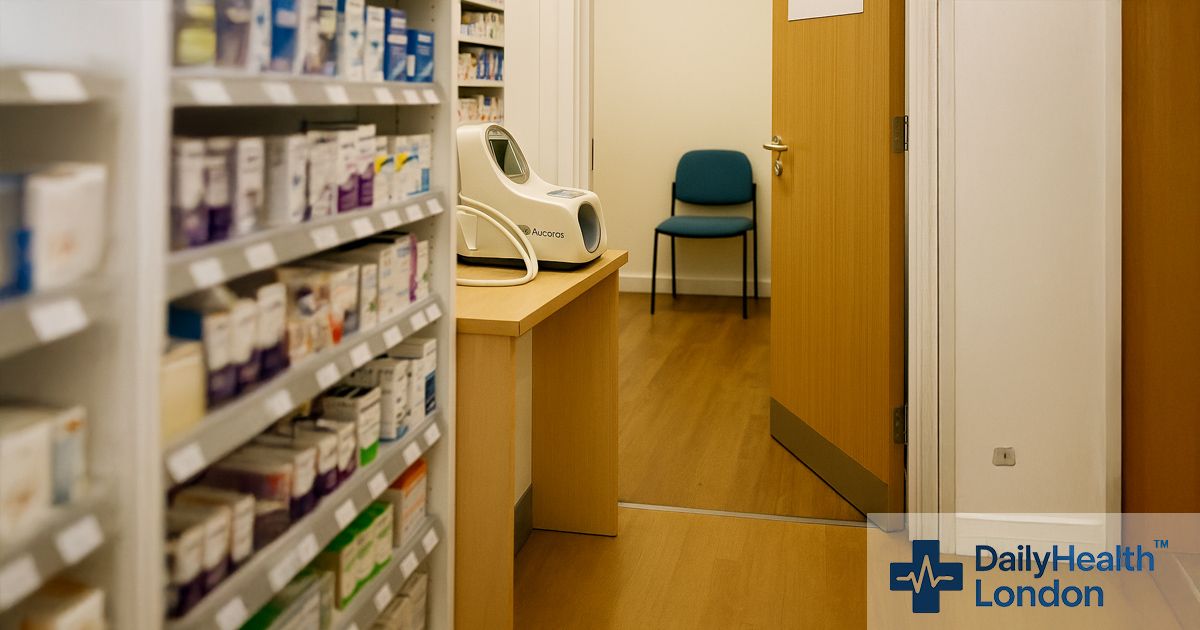
On a busy high street in south west London, a long-established community pharmacy has quietly widened what happens behind its consultation room door, as from September 2025 it began offering routine prescribing reviews and blood pressure checks under new national pharmacy programmes for local residents who might otherwise wait for a GP appointment. The change folds extra clinical time, digital booking and face-to-face advice into a single familiar setting for people living and working around Merton, Wandsworth and neighbouring boroughs.
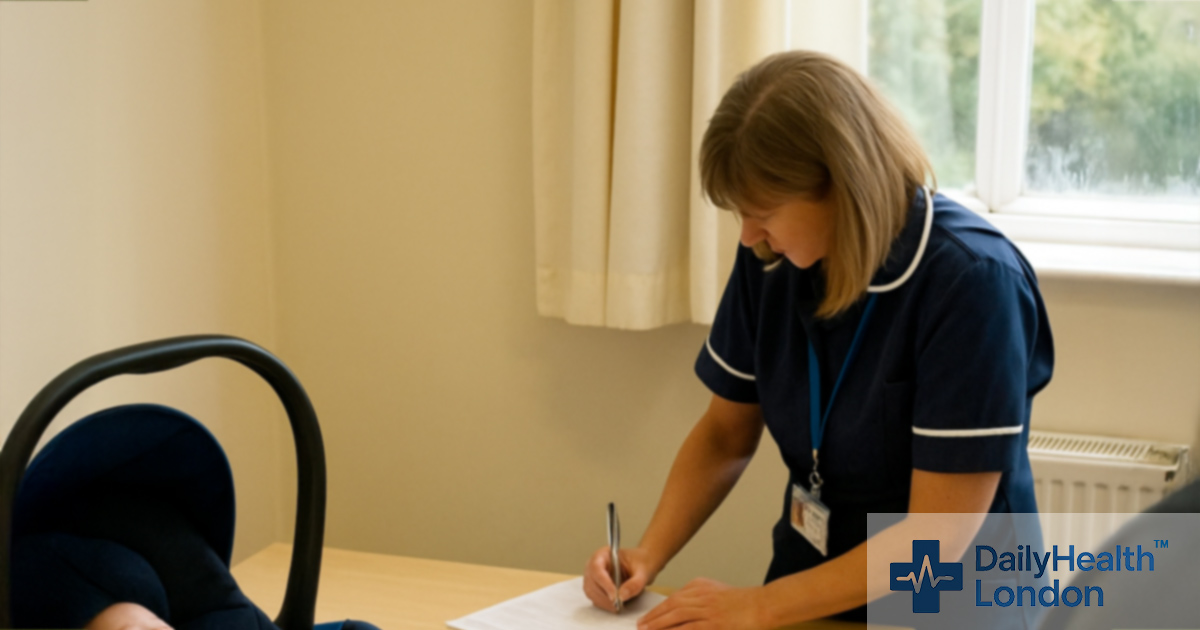
The pharmacy now sets aside blocks of time each day for short clinical consultations, with staff using a small booking screen behind the medicines counter as well as walk-in triage at quieter moments. Residents who arrive with minor skin complaints, stomach upsets or questions about existing prescriptions are directed to the consultation room rather than being told simply to seek a practice appointment, and many find that their issue can be assessed, recorded and, where appropriate, treated on the spot.
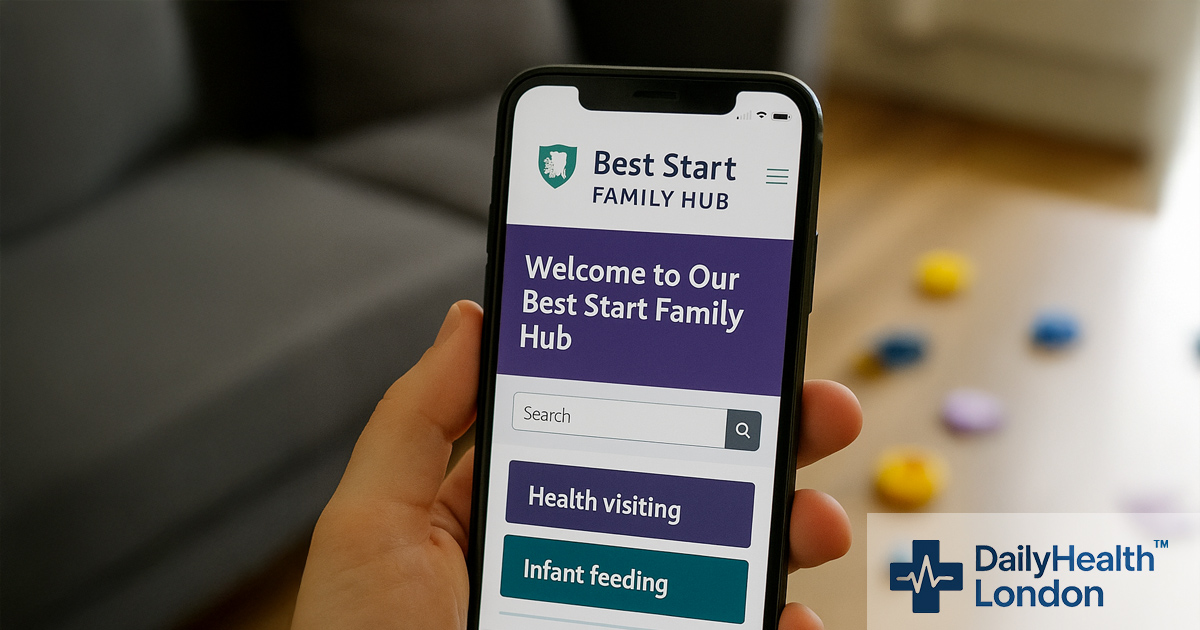
For people who manage their health on their phones, these changes blend into a wider shift in how local services are accessed. South West London Integrated Care Board reports that south west London residents logged into the NHS App more than 24,200 times a day on average from the start of 2024, with monthly logins up 48 per cent in a year and 886,000 registered users across boroughs including Merton, Wandsworth, Kingston, Richmond, Sutton and Croydon. Many of the pharmacy’s new appointments start with a digital request that is then routed locally.
The independent prescribing work taking place in the consultation room is part of a national pathfinder programme that places prescribing pharmacists in neighbourhood pharmacies across England. NHS England data presented to the Pharmacy Show in October 2025 show that by the end of July 2025, 40,049 consultations had been carried out by 180 community pharmacy pathfinder sites, with most dealing with minor health concerns that previously would have required GP time. The south London site is one of these locations, with staff describing the work as an extension of long-running advice at the medicines counter.
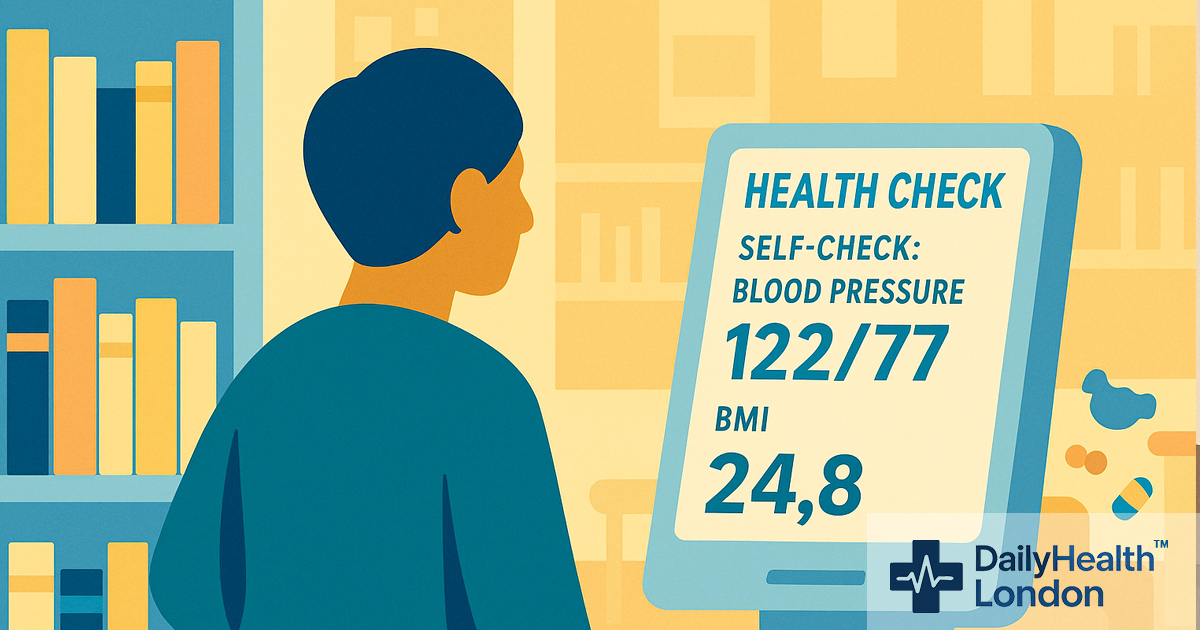
Alongside prescribing, the pharmacy has also stepped up its role in the national blood pressure check service. NHS England figures reported in October 2025 indicate that community pharmacies have delivered almost 7 million clinic and ambulatory blood pressure checks since the hypertension case-finding service was launched in October 2021, including more than 1 million checks for patients living in the 10 per cent most deprived areas of England. In south west London, this makes the consultation room a regular stop for residents who may not routinely attend practice-based health checks.
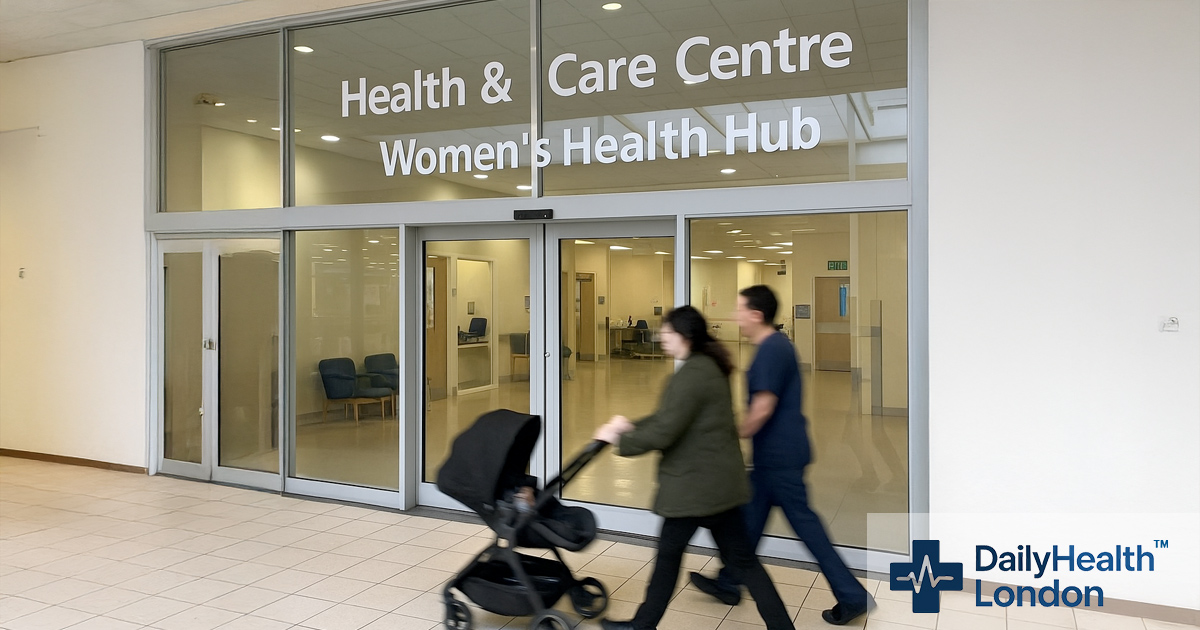
The practical effect for patients is felt in small details. Some arrive after a shift at nearby shops or offices, stepping straight from the pavement into the pharmacy without needing to negotiate online forms or long phone queues. Others come in while collecting regular medicines for family members and agree to a blood pressure check or a review of an inhaler technique. The room is used for parents with pushchairs, older adults and people who prefer a quiet space for conversations about side effects that they have been putting off for months.
Staff in the pharmacy have had to adjust their working day around these sessions. Pharmacists who completed independent prescribing training now balance checking prescriptions with structured consultation slots, while technicians and counter assistants handle the flow of customers and identify who might benefit from a clinical discussion. Some of the additional roles supported nationally in primary care, such as health and wellbeing coaches, are beginning to appear in pharmacy settings too, bringing extra capacity for lifestyle and self-management conversations during longer appointments.
The broader pattern is one of everyday primary care spilling over traditional boundaries between surgeries and pharmacies. Residents who use the NHS App to order repeat prescriptions or view test results can also select the high-street pharmacy as their usual dispenser, and the same premises is then where blood pressure is checked or a rash is assessed. For people with long commutes or caring responsibilities, the ability to combine these tasks in a single stop, often close to public transport, reduces the number of separate journeys needed to stay on top of long-term conditions.
For local planners, the pharmacy’s experience provides a small but concrete example of how national policy is being applied at street level. The consultation figures from the pathfinder programme suggest that shifting suitable cases into pharmacy can release GP time for more complex needs, while the hypertension service statistics highlight how high-street locations in more deprived areas are reaching people who may not routinely use practice health checks. Combined with rising use of the NHS App across south west London, the model shows how digital tools and physical premises can be aligned to make everyday care more convenient.
From the perspective of those walking through its doors, however, the high-street pharmacy remains a familiar part of daily life rather than a new project. Shelves of toiletries and household items still line the aisles, while the consultation room light flicks on and off as residents step inside for a quick health discussion in between school runs, shift patterns and supermarket trips. The difference is that more of those everyday conversations now end with a recorded blood pressure reading or a completed prescribing decision, keeping more care within the neighbourhood.
Tags
-
pharmaceutical-journal.comhttps://pharmaceutical-journal.com/article/news/almost-7-million-blood-pressure-checks-delivered-in-community-pharmacies-since-service-began
-
pharmaceutical-journal.comhttps://pharmaceutical-journal.com/article/news/almost-two-thirds-of-pathfinder-pilot-site-consultations-have-been-for-minor-ailments
-
www.southwestlondon.icb.nhs.ukhttps://www.southwestlondon.icb.nhs.uk/news/south-west-londoners-make-the-most-of-the-nhs-app-with-25000-log-ins-a-day-since-start-of-year/