UDA tweaks nudge London dental access while incentives grow

NHS dentistry in the capital is being reshaped at the margins rather than all at once, as England’s contract changes since October 2022 set a national minimum UDA value of £28 and the Dental Recovery Plan published in February 2024 promised up to 2.5 million additional appointments, including targeted payments to reach people who have not seen an NHS dentist for years (sources: DHSC/NHS England dental contract update 2022; Dental Recovery Plan 2024).
The baseline need is clear in NHS Dental Statistics for England: in the two years to 30 June 2023, 44.8% of adults were seen by an NHS dentist and, in the year to the same date, 58.7% of children had an NHS dental appointment, figures that improved on 2021–22 but remained below pre-2020 levels and continue to be felt in large urban areas such as London (source: NHS Dental Statistics 2022–23).
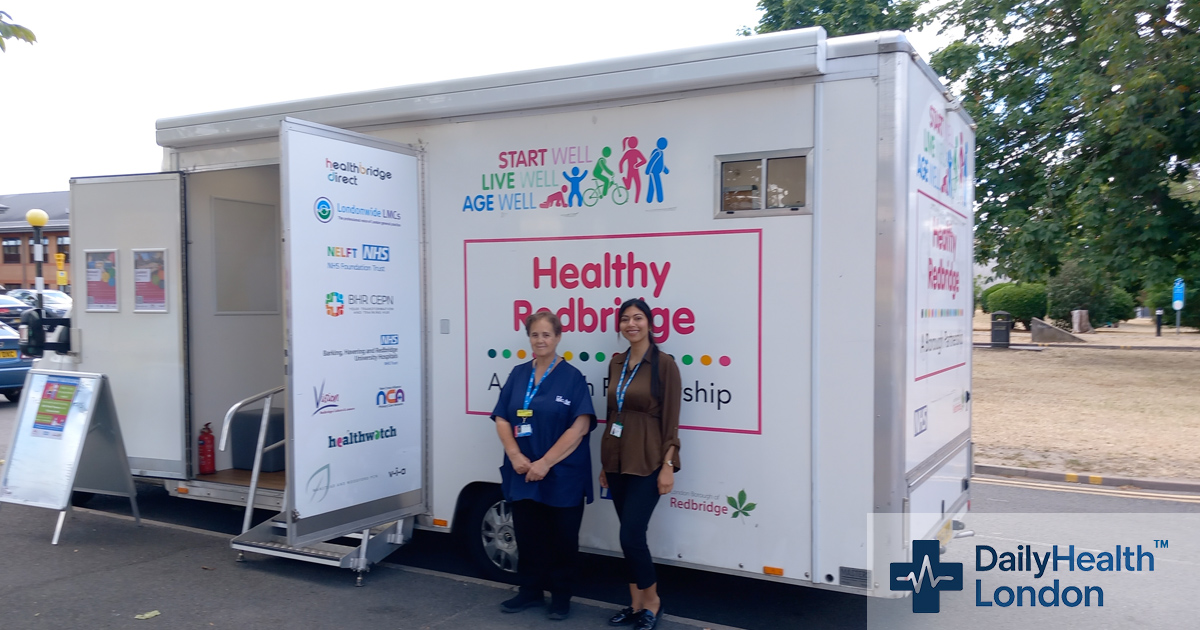
From early 2024 the recovery package layered in practical levers—time-limited “new patient” payments, “golden hello” recruitment incentives worth up to £20,000 for under-served areas and mobile dental vans—so London commissioners could pull extra capacity into neighbourhoods with thin NHS provision while keeping routine bands and charges unchanged (source: Dental Recovery Plan 2024).
Productivity signals sit alongside these access moves: the 2022 contract tweaks allowed higher UDA credits for complex treatments and widened direct access for dental care professionals, with DHSC’s 2023 update reporting early increases in activity on high-need courses of treatment, giving practices more headroom to treat people who present late with multiple problems (sources: DHSC contract reform updates 2022–23).
Equity remains the hinge for the capital; national datasets consistently show lower NHS usage in high-deprivation, high-rent districts where missed reminders and travel costs deter attendance, so London teams have used recovery levers to weight sessions toward schools and community sites, aiming to lift children’s recall and reduce long gaps between courses of treatment (sources: NHS Dental Statistics 2022–23; Dental Recovery Plan 2024).
Day to day, the change looks modest but cumulative—a practice taking on a block of first-time NHS adult check-ups using the new payment, a mobile service clearing backlogs at a community venue, and treatment plans booked under a firmer UDA floor—while managers watch 2024–25 statistics to see if adult seen-rates move decisively upward without widening gaps between London’s better-served and thin-coverage neighbourhoods.