Walk-in centre hosts interpreter desk for faster visits
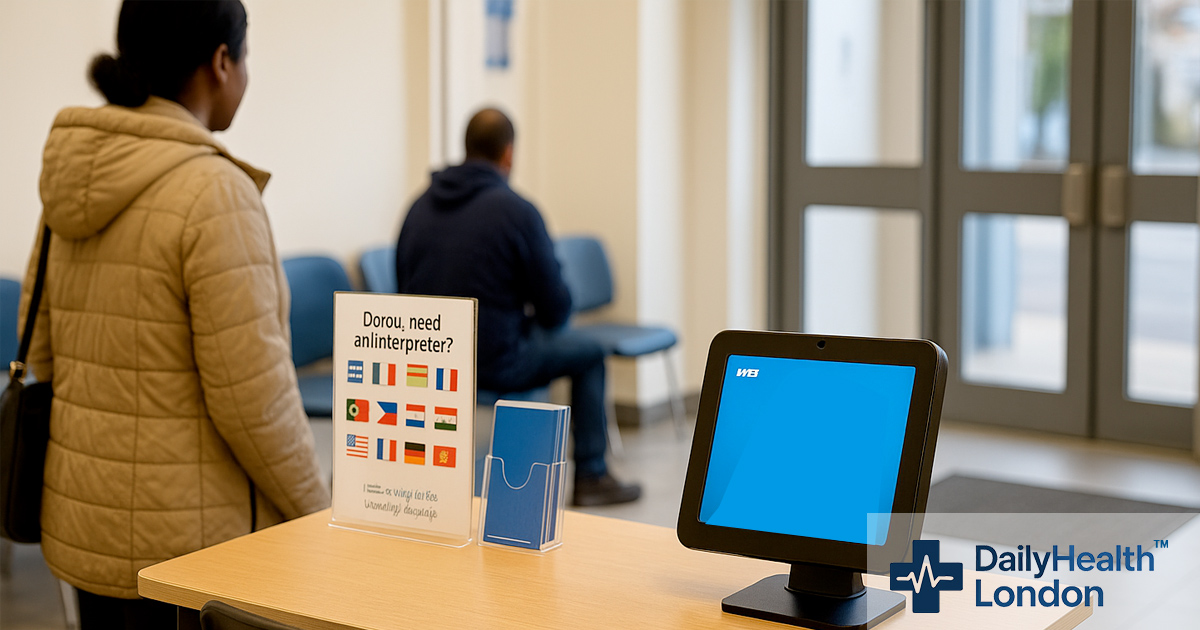
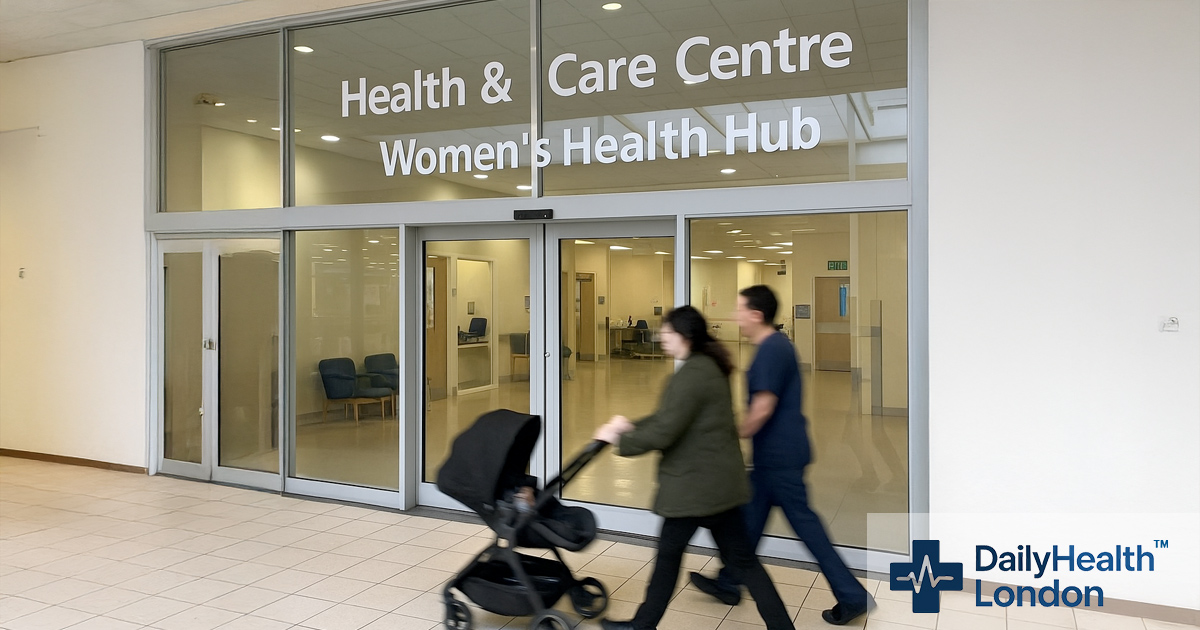
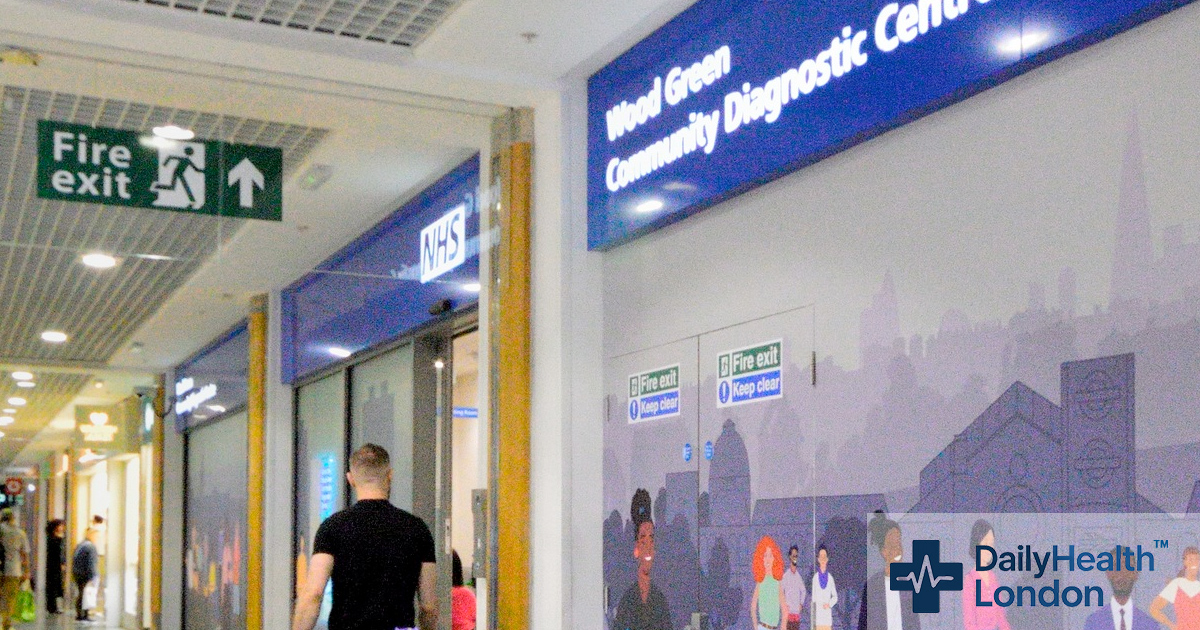
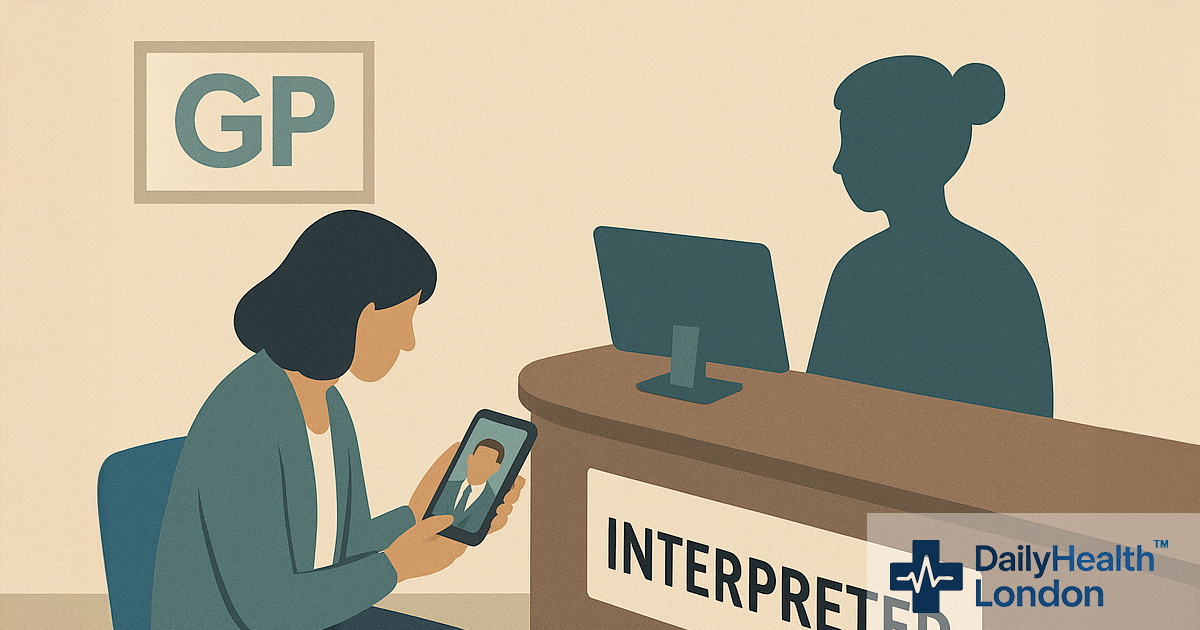
A London walk-in centre has added a staffed interpreter desk next to reception so people who do not use English as a first language, or who rely on British Sign Language, can arrange support at the door rather than waiting for ad-hoc solutions during a consultation.
The change was phased in during 2025 after managers mapped busy periods and found that arranging language support at the point of booking reduced re-arranged appointments and shortened median waiting times for affected patients, allowing clinicians to start on time with an interpreter already linked.
Population data underline the need: the 2021 Census reports that around 22% of London residents have a main language other than English, and local audits at walk-in sites have long noted higher rates of missed or cut-short consultations when support is not organised in advance (source and window below).
To make the desk practical, the centre now lists core languages on a rota, keeps a video BSL terminal powered up through clinic hours and uses a simple ticketing counter so callers with limited English can point to the service they need; reception teams record the median time from request to connection to decide which hours justify a second post.
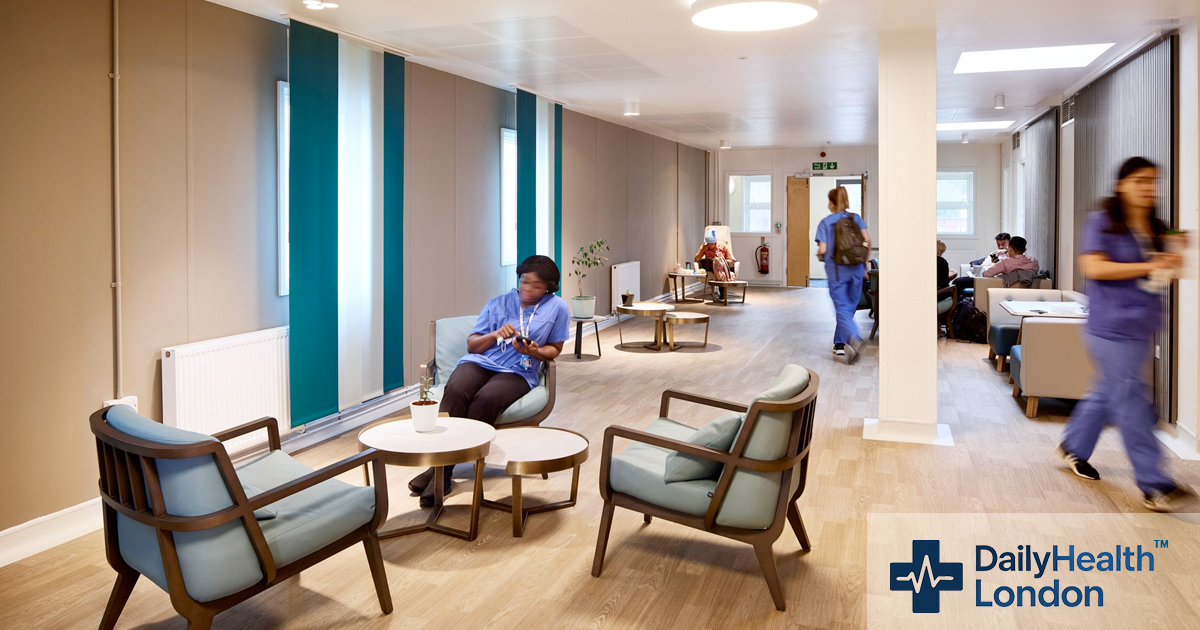
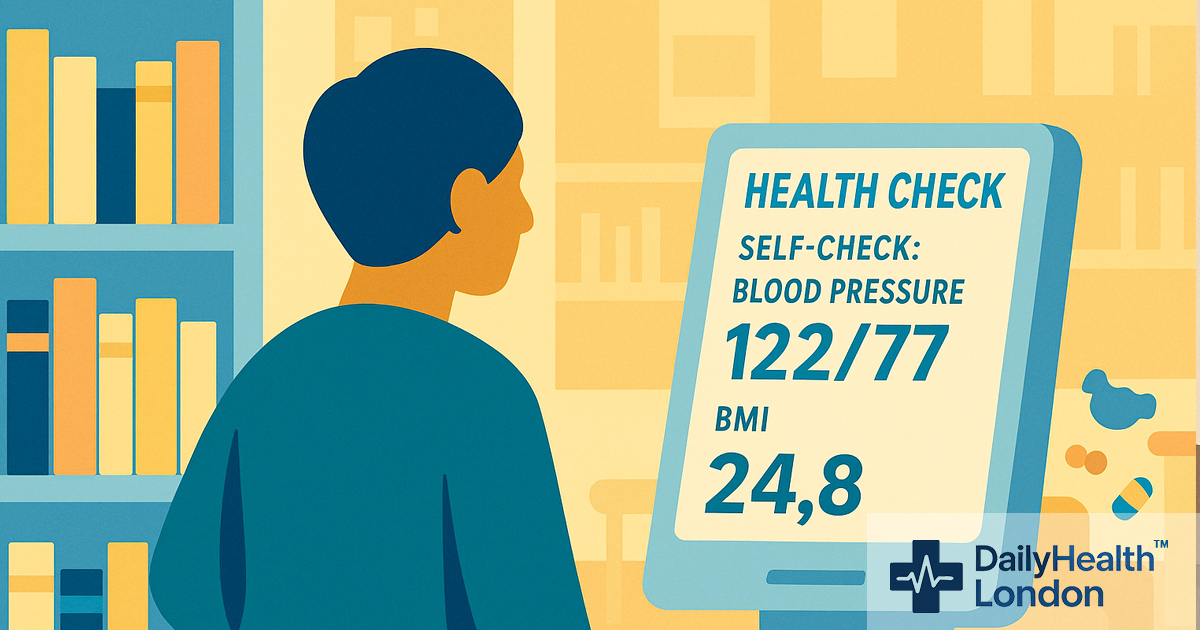
Equity is built into the placement: the desk sits by step-free doors and near the self-check-in screens, with laminated instructions in the most requested languages and a discreet bell for people who prefer not to speak in public, so support can be set up without a phone call or a family member interpreting sensitive details.
Day to day, the effect looks ordinary—somebody secures a face-to-face interpreter before triage, another uses video BSL for a nurse review, a third books a language slot for a follow-up—while managers track weekly counts and the share of on-time starts to judge whether the desk should become a permanent fixture across other sites.
-
www.england.nhs.ukhttps://www.england.nhs.uk/ourwork/accessibleinfo/