Hospital interpreters reshape access for Deaf Londoners

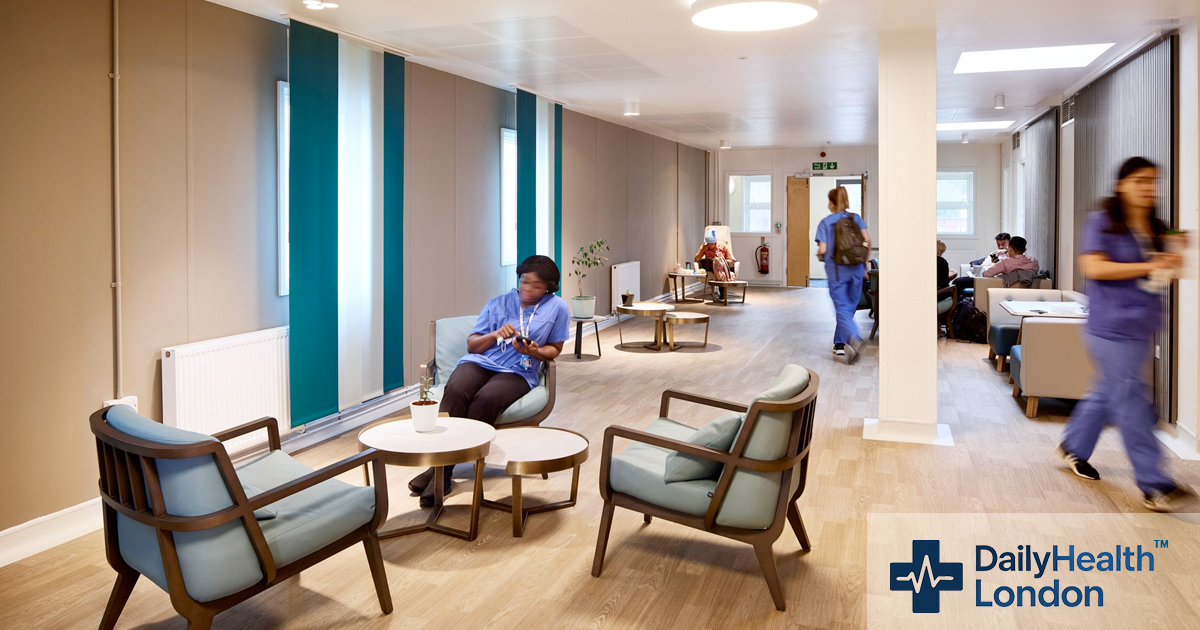
In one East London hospital trust and its linked GP practices, interpreting booths, phone handsets and video screens have become a more visible part of the waiting-room routine in 2025, as services respond to national findings that communication failures are driving avoidable harm for Deaf patients and people who do not use English as a first language.
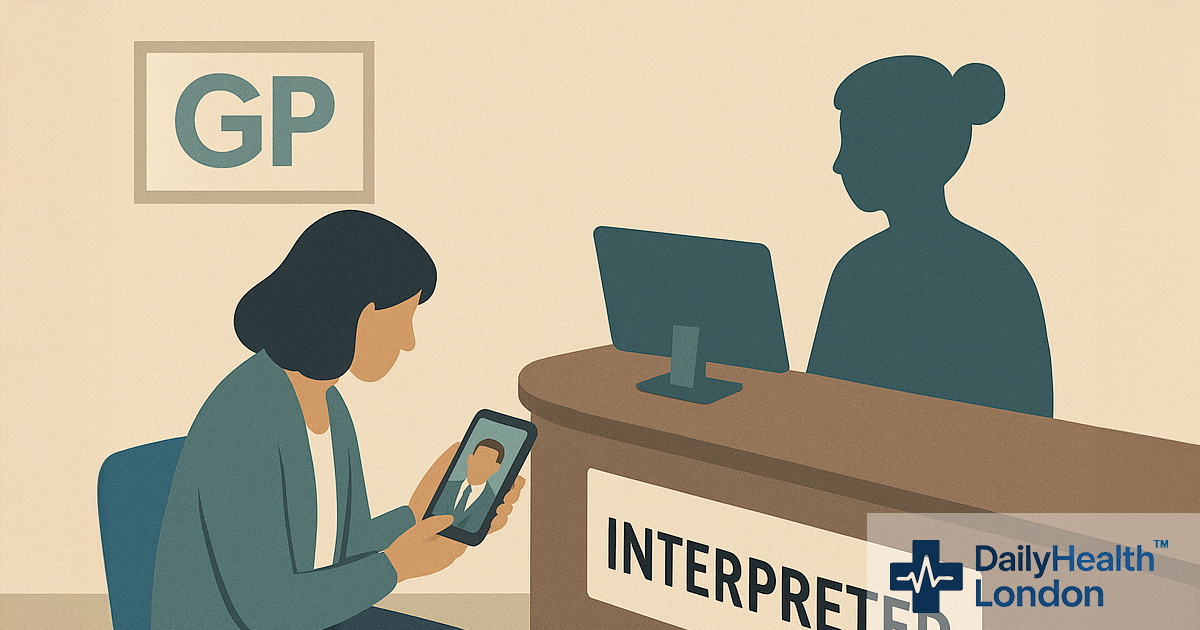
NHS England’s community language translation and interpreting framework, published in May 2025, asks trusts and integrated care boards to provide consistent, high-quality support for people with limited English, and Homerton Healthcare NHS Foundation Trust’s bilingual health advocacy service now highlights telephone interpreting for hospital clinics and GP appointments as a standard option rather than a last resort, so that front-line staff can bring an interpreter into the conversation within minutes.
Spending figures underline how embedded these services already are, with research using hospital freedom of information data showing that NHS trusts in England spent at least £113,974,561 on translation and interpreting between 2019–20 and 2021–22, an average of £725,953 for each trust that responded, and that around 21.8% of that budget went on British Sign Language provision alone, a pattern that includes large urban trusts serving London.
The scale of the remaining gap was set out in an April 2025 report from the Royal National Institute for Deaf People and SignHealth, which surveyed just over 1,000 Deaf and hearing-impaired people in England and found that nearly 10% had avoided using emergency services and a quarter had stayed away from help for new health problems because of communication barriers, while about half of British Sign Language users said they did not fully understand their diagnosis or treatment after NHS appointments.
Communication issues are not limited to Deaf communities, with a national Patients Association survey in late 2023 reporting that 55% of respondents had experienced poor communication from NHS services in the previous five years and around 32% thought the NHS did not communicate well overall, even as official Health Insight Survey data for July to August 2025 showed that 73% of adults who contacted their GP practice in the previous 28 days described their overall experience as good, highlighting a gap between broad satisfaction scores and the experiences of people whose language or access needs are not met.
At practice level, London GP surgeries such as Harley Grove and William Harvey now describe free interpreting for NHS appointments, including British Sign Language, as a routine entitlement and emphasise that children should not be used to interpret during consultations, and that practical shift means a Bangladeshi or Turkish-speaking resident, or a Deaf patient using BSL, can ask reception teams to book an interpreter in advance or on demand rather than relying on family members or guessing at clinical information.
Day to day, the test for London trusts and local practices will be whether frameworks, budgets and policy statements translate into small predictable habits, from receptionists automatically offering telephone interpreting when they spot a language gap to clinicians pausing until a BSL interpreter joins a video link, so that people across the capital’s most diverse neighbourhoods can understand and act on what they are told about their health without needing to fight the system for every conversation.